Report
No Data Yet

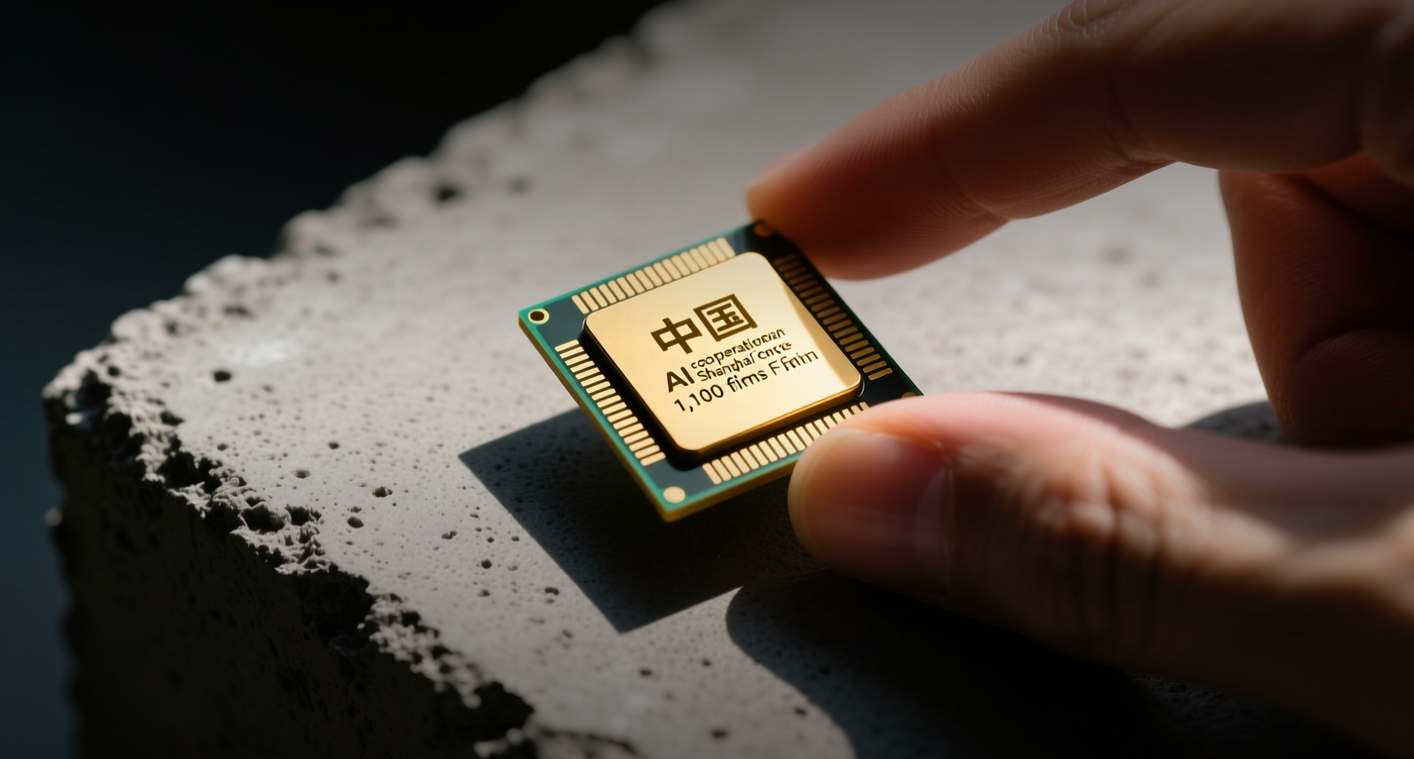
**China's top economic planner released two AI policy documents at the 2026 WAIC as Beijing pushes to shape global AI governance.** China's National Development and Reform Commission on Friday released an AI Cooperation Development Action Plan and a case collection at the 2026 World Artificial Intelligence Conference, as Beijing accelerates efforts to set global AI governance standards. "China is committed to promoting AI access and ensuring the benefits of artificial intelligence are shared by all countries," President Xi Jinping said in a speech at the Shanghai conference, according to state media reports. The action plan outlines Beijing's framework for international collaboration on AI research, standards and ethics. The companion "China Smart · Benefits the World (2026)" case collection highlights more than 50 Chinese AI projects deployed across healthcare, education and smart-city systems globally. The four-day event, running through July 20, features over 1,100 domestic and international companies unveiling more than 300 products making their global debut. The policy push comes as China and the US compete for dominance in a global AI market projected to exceed $2 trillion by 2030. Beijing's ability to set governance norms could determine which technologies and standards prevail in emerging markets across Southeast Asia, Africa and Latin America — regions where Chinese tech giants including Huawei, Alibaba Group Holding Ltd. and Baidu Inc. already have deep commercial ties. ## A Contrast to US-Led Export Controls The action plan represents China's most detailed public framework for AI cooperation since Xi's Global AI Governance Initiative proposed in 2023. Unlike the European Union's AI Act, which emphasizes risk-based regulation, Beijing's approach focuses on development access and technology sharing among developing nations — a deliberate counterpoint to US-led export controls that restrict Chinese access to advanced semiconductors from Nvidia Corp. and Advanced Micro Devices Inc. For Chinese AI companies, the policy provides continued central government backing at a time when US sanctions have limited access to Nvidia's H100 and B200 graphics processing units. Domestic chip makers including Huawei Technologies Co.'s Ascend division and Shanghai-based Enflame Technology Co. stand to benefit from the push for self-reliance, while Alibaba's Tongyi Qianwen and Baidu's Ernie Bot large-language models compete for market share in China's rapidly expanding AI sector. The policy clarity could boost sentiment for Chinese AI and tech stocks listed in Hong Kong and Shanghai. The Hang Seng Tech Index has gained 18% year-to-date through Thursday, partly on expectations of government AI support. Alibaba trades at 11 times forward earnings, a discount to US peers, while Baidu's AI cloud revenue grew 12% in the most recent quarter. Investors will watch for implementation details and specific funding commitments in the months ahead. This article is for informational purposes only and does not constitute investment advice.

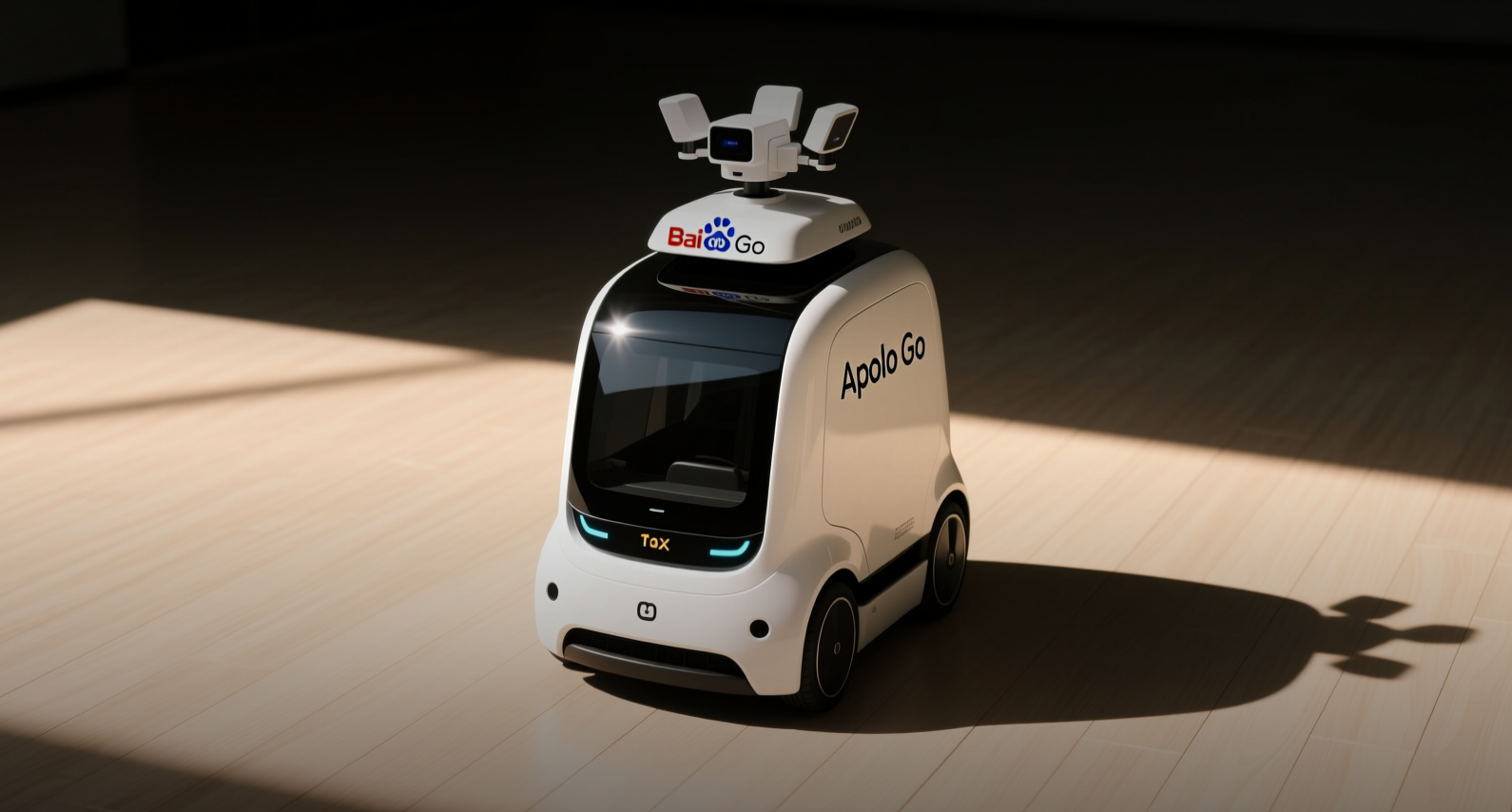
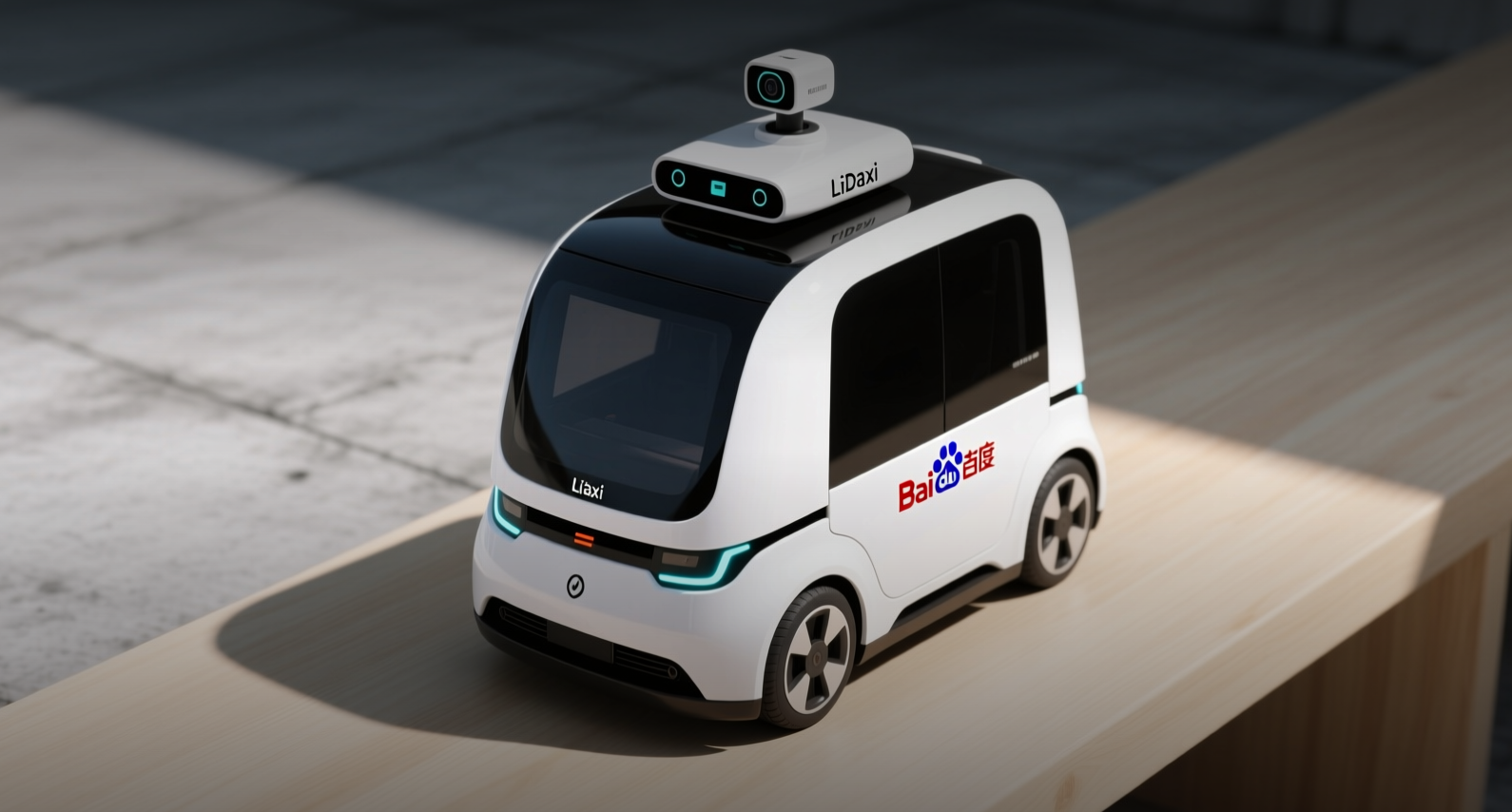
Baidu's Apollo Go signed a strategic cooperation agreement with Kazakhstan-based Turlov Private Holding Ltd. to introduce autonomous ride-hailing services in the Central Asian nation, marking the first entry of Chinese robotaxis into the region. The deal was signed in Shanghai ahead of the 2026 World Artificial Intelligence Conference, with Kazakhstan's Deputy Prime Minister and Minister of AI and Digital Development, Zhaslan Madiyev, in attendance. "This partnership opens a new corridor for autonomous mobility in Central Asia," Madiyev said. "Kazakhstan is committed to becoming a regional hub for AI-driven transportation." Apollo Go had provided more than 22 million rides to the public as of April 2026, with fully driverless ride orders reaching 3.2 million in the first quarter alone. Weekly orders peaked at more than 350,000 in March. The company's fleet has accumulated over 330 million kilometers of autonomous driving mileage worldwide, including more than 220 million kilometers without a safety driver, while maintaining a strong safety record, Baidu said. The Kazakhstan deal is the latest in a series of international expansions for Apollo Go, which as of May operated in 27 cities globally, including Hong Kong, Dubai and Abu Dhabi. In the Middle East, the platform began fully driverless commercial operations in Dubai at the end of March under an exclusive agreement with state-owned Dubai Taxi Company, and has also entered a global partnership with Uber Technologies. In Europe, Apollo Go obtained a permit in May to operate L4 robotaxis across roughly 80 square kilometers in three cantons of eastern Switzerland, including St. Gallen, with road testing beginning June 1. The company also announced in February it would enter the South Korean market starting with the Seoul metropolitan area. ## Why Central Asia Matters for Autonomous Driving Kazakhstan, the largest economy in Central Asia, has been actively courting foreign technology investment as part of its digital transformation strategy. The creation of a dedicated Ministry of AI and Digital Development signals the government's intent to position the country as a testing ground for emerging mobility technologies. For Baidu, the partnership provides access to a market with relatively less regulatory friction than the US or parts of Europe, where autonomous driving approvals have moved more slowly. The expansion also pits Apollo Go against a growing field of global competitors. Waymo, owned by Alphabet, operates commercial robotaxi services in San Francisco, Los Angeles and Phoenix, while Tesla has promised a dedicated robotaxi vehicle. In China, Apollo Go competes with Pony.ai and WeRide, both of which have also pursued international licenses. Pony.ai, for instance, has obtained permits in California and South Korea. ## Investment Implications for Baidu Baidu's stock (9888.HK) fell 3.8% on the day of the announcement, though the decline was more likely tied to broader market moves than the Kazakhstan deal specifically. The partnership itself carries limited near-term revenue impact — robotaxi operations in Kazakhstan will require regulatory approvals, fleet deployment and local infrastructure before generating meaningful rides. However, the cumulative effect of Apollo Go's global expansion, now spanning 27 cities across Asia, the Middle East and Europe, strengthens Baidu's positioning as one of the few companies operating Level 4 autonomous vehicles commercially across multiple continents. Baidu does not break out Apollo Go's financials separately, but the autonomous driving unit represents a key pillar of the company's long-term growth narrative beyond its core advertising and cloud businesses. With more than 22 million rides completed and a safety record of over 330 million kilometers, Apollo Go has accumulated the operational data that competitors would need years to replicate. *This article is for informational purposes only and does not constitute investment advice.*

Baidu Inc. plans to convert its Hong Kong secondary listing to dual-primary status, a move that could unlock Stock Connect access by September 2026. "The dual-primary listing, once effective, will enhance the liquidity of its securities, broaden its investor base and provide greater flexibility in accessing both capital markets," the company said in a statement Thursday. The board has authorized management to proceed with preparatory work, with the conversion expected to take effect within the year. The change is conditional on market conditions and regulatory approvals. Baidu currently trades on Nasdaq under the ticker BIDU and on HKEX under 9888, with one American depositary share representing eight Class A ordinary shares. The conversion would make Baidu eligible for inclusion in Stock Connect, giving mainland Chinese investors direct access to the stock for the first time. That could boost daily trading volumes and help narrow the valuation discount to US-listed Chinese tech peers. Baidu's Hong Kong-listed shares rose 4% Thursday after Chinese regulators approved Apple Inc.'s AI partnership with the company, which uses Baidu's large language model to power iPhone features in China. Baidu's US-listed shares closed at $111.48 Wednesday, up 1.6%, and added another 0.6% in after-hours trading. The stock is covered by 34 analysts, with a consensus Buy rating and an average price target of HK$1,191.54, implying about 58% upside from the last close of HK$754.79, according to data compiled by MarketScreener. The move comes as Chinese companies listed in the US face ongoing delisting risk under the Holding Foreign Companies Accountable Act. Baidu joins a growing list of Chinese ADRs that have sought primary or dual-primary listings in Hong Kong to reduce reliance on US capital markets. The company's AI chip unit, Kunlunxin, is also targeting a Hong Kong IPO that could value the affiliate at $50 billion, according to reports from late June. The dual-primary listing positions Baidu to capture mainland investor demand through Stock Connect and reduces its dependence on US capital markets. Investors will watch for regulatory approval and the Stock Connect inclusion timeline in the coming months. This article is for informational purposes only and does not constitute investment advice.

The Hang Seng Index opened 44 points higher at 23,541 after US airstrikes on Iran boosted oil stocks. "Escalating tensions in the Middle East are driving a rotation into energy names while pressuring precious metals," said a Hong Kong-based trader at a global investment bank. CNOOC Ltd. (0883.HK) opened 2.37% higher and PetroChina Co. (0857.HK) gained 1.79% after the US launched a new round of airstrikes against Iran on July 7, triggering a rebound in crude prices. The Hang Seng Tech Index rose 18 points, or 0.42%, to 4,525, while the Hang Seng China Enterprises Index added 33 points, or 0.43%, to 7,803. Precious metals and resource stocks came under pressure, with CMOC Group Ltd. (3993.HK) falling 2.63% and Zijin Mining Group Co. (2899.HK) declining 1.85%. Among heavyweight technology stocks, Xiaomi Corp. (1810.HK) rose 1.73%, Alibaba Group Holding Ltd. (9988.HK) opened 1.2% higher, and Baidu Inc. (9888.HK) and NetEase Inc. (9999.HK) each gained about 0.5%. Tencent Holdings Ltd. (0700.HK) opened flat. Lenovo Group Ltd. (0992.HK) was the standout blue-chip gainer, surging 4.41% to HKD 21.8. Sino Biopharmaceutical Ltd. (1177.HK) jumped 3.11% after granting AstraZeneca Plc an exclusive license to develop and commercialize its chronic respiratory disease drug TQC3721 outside China. The deal includes a $200 million upfront payment and potential milestone payments totaling as much as $1.9 billion. The escalation in Middle East hostilities threatens to sustain upward pressure on crude prices, benefiting Hong Kong-listed energy producers while weighing on commodity stocks sensitive to a stronger dollar. The dollar climbed to a week-high after the US strikes, according to web reports. Investors are watching for further developments in the region, with any additional escalation likely to drive further rotation into energy and defense-related names. This article is for informational purposes only and does not constitute investment advice.

Macquarie raised Baidu's price target to HKD181, expecting the Kunlunxin IPO to unlock meaningful value. "Baidu is increasingly differentiating itself from domestic internet peers by providing integrated AI solutions covering chips, cloud infrastructure, large language models and applications," Macquarie said in a note after conducting non-deal roadshows in the US and Canada. The broker lifted its target for Hong Kong-listed shares to HKD181 from HKD169 and raised the US stock target to USD177 from USD166, maintaining an Outperform rating. AI-related businesses now contribute more than half of group revenue, Baidu management said during the roadshow. The rapidly growing infrastructure business is expected to gradually offset pressure from the traditional search business. Macquarie assigned Kunlunxin a valuation of about USD48 billion, with revenue forecast to more than double year-over-year to about RMB8.5 billion in fiscal 2026. Baidu's 59% stake equates to USD82.5 per share in a sum-of-the-parts valuation. The IPO is expected to unlock meaningful value after listing. The target raise signals Macquarie's conviction that Kunlunxin's listing will surface hidden value in Baidu's AI portfolio. Investors will watch for the IPO filing details and pricing range as the next catalyst. This article is for informational purposes only and does not constitute investment advice.
**Hong Kong-listed Chinese semiconductor stocks surged in afternoon trading Monday, extending a global AI sector rebound as investors returned to beaten-down chip names.** The Hang Seng Index rose 1.9% to 22,845 as semiconductor stocks led gains, with Hua Hong Semiconductor (1347.HK) climbing 8% and SMIC (0981.HK) adding 5%. GigaDevice, a mainland China-listed chipmaker, jumped 14% in Shanghai trading. "The AI trade is far from over — what we saw last week was a necessary correction after an extraordinary run," said Euntaek Lee, an analyst at KB Securities. "Current conditions do not point to a bubble." The rally in Hong Kong mirrored a broader recovery across Asian tech markets. Japan's Nikkei 225 added 0.3%, South Korea's KOSPI edged 0.2% higher, and Australia's S&P/ASX 200 advanced 0.7%. Mainland China's CSI 300 gained 0.4%, while the Shanghai Composite climbed 0.5%. The moves followed a volatile week that saw the Nasdaq 100 fall more than 3% on Tuesday before staging a partial recovery. The semiconductor sector's rebound shows continued investor appetite for AI-related chips, even as questions persist over whether lofty valuations can be sustained. Hong Kong-listed Baidu (9888.HK) surged more than 7% after reports that its AI chip unit Kunlunxin is targeting a Hong Kong initial public offering at a valuation of about $50 billion, a sign of the premium investors still place on domestic AI semiconductor assets. The gains in Hong Kong chip stocks came as part of a broader rotation back into technology names after last week's selloff erased hundreds of billions of dollars in market value from global semiconductor companies. The iShares Semiconductor ETF, which had fallen sharply midweek, recovered some ground as investors judged the pullback overdone. China's push to strengthen its domestic semiconductor supply chain has provided additional support for locally listed chipmakers. Beijing's recent addition of 20 Japanese entities to its export control list for dual-use items has reinforced the case for Chinese companies to develop homegrown alternatives, traders said. **Baidu's Kunlunxin IPO fuels chip optimism** Baidu's 7% surge added momentum to the semiconductor rally. The company's AI chip unit Kunlunxin confidentially filed for a Hong Kong listing earlier this year, and reports Sunday said it is targeting a valuation of about $50 billion. Prospective investors were asked to buy semiconductors worth three to seven times the value of their intended investment in the planned listing, according to The Information, a sign of strong demand for Chinese AI chip capacity. Kunlunxin chips have drawn interest from ByteDance, the owner of TikTok, according to a Reuters report. The unit mainly supplies chips to its parent company Baidu but has expanded external sales over the past two years. **Cross-asset context** The Hang Seng Index's 1.9% gain outpaced most regional peers. The CSI 300's 0.4% advance in Shanghai was more muted, while Hong Kong's turnover exceeded the 20-day average as institutional buyers rotated into semiconductor names. The offshore yuan traded at 7.23 per dollar, little changed on the session, as traders awaited U.S. labor market data later this week. This article is for informational purposes only and does not constitute investment advice.

The Hang Seng Tech Index surged 3% to 4,531.62 on Wednesday, led by Tencent Holdings as Hong Kong-listed technology stocks staged a broad rebound. "The rally reflects a rotation into Chinese tech as relative valuations become more compelling compared with US peers," said Manishi Raychaudhuri, head of Asia equity strategy at Emkay Global. "We remain constructive on Asian equities with selective overweight positions in China tech." Tencent Holdings (騰訊控股, 0700.HK) jumped more than 5%, while Baidu Group (百度集團, 9888.HK) and Bilibili (嗶哩嗶哩, 9626.HK) each advanced over 3%. The rally stood in contrast to the broader Hang Seng Index, which had slipped 0.65% in the prior session. The Shanghai Composite Index added 1.78% to 4,163, signaling broad-based strength across Chinese equities. Wednesday's advance brings the HSTECH's year-to-date gain to roughly 16%, outpacing the S&P 500's single-digit return. The divergence from US markets — where the Nasdaq Composite fell 1.3% overnight — suggests investors are pricing in a China-specific catalyst, potentially tied to expectations of further policy support or improving fundamentals in the technology sector. The rally was broad-based, with gains across major internet and gaming names. Tencent's 5% surge added roughly HK$200 billion to its market capitalization, making it the single largest contributor to the index's advance. Baidu and Bilibili, both heavily weighted in the tech gauge, extended their recent recovery as traders cited improving sentiment toward China's regulatory environment after months of relative stability. Trading volumes were elevated compared with the 20-day average, though exact turnover figures were not yet available at the time of writing. The move also tracked strength in mainland markets, where the Shanghai Composite rose 1.78% to 4,163, supported by gains in semiconductor and AI-related names. The HSTECH's rally comes as South Korea's export data showed semiconductor shipments surging 49.7% in early June, a sign of strength in the global AI-driven chip cycle that benefits Chinese tech firms reliant on semiconductor imports and cloud infrastructure. The broader Asia tech rally has been fueled by sustained demand for AI computing power, with chipmakers across the region reporting record order books. For investors, the key question is whether Wednesday's rally marks the start of a sustained rotation into Chinese tech or a short-term bounce in a still-uncertain macro environment. The HSTECH remains roughly 15% below its record high set in early 2025, suggesting room for further upside if policy measures materialize. Traders will watch for upcoming economic data from China and any signals from Beijing on additional stimulus. This article is for informational purposes only and does not constitute investment advice.

JPMorgan named 9 China AI ecosystem stocks Overweight on June 18, with price targets reaching as high as HKD1,400. "China's AI opportunity spans the semiconductor supply chain, optical connectivity, and application layers," JPMorgan said in the research note. The Hong Kong-listed picks include BIDU-SW (09888.HK) at HKD225, KNOWLEDGE ATLAS (02513.HK) at HKD1,400, WEICHAI POWER (02338.HK) at HKD52, VGT (02476.HK) at HKD600, and ILUVATAR COREX (09903.HK) at HKD620. On the A-share side, ZHONGJI INNOLIGHT (300308.SZ) received a RMB430 target, NAURA (002371.SZ) at RMB700, AMEC (688012.SH) at RMB289, and CHANG ELEC TECH (600584.SH) at RMB110. The recommendations provide institutional backing for China's AI supply chain as the country pushes to develop domestic semiconductor and AI infrastructure. The nine stocks span three layers of the AI value chain: optical components for data center connectivity through ZHONGJI INNOLIGHT, semiconductor capital equipment through NAURA and AMEC, and AI applications through BIDU, KNOWLEDGE ATLAS, and ILUVATAR COREX. WEICHAI POWER and VGT add exposure to industrial AI and autonomous driving, respectively. JPMorgan's broad coverage of the China AI sector shows the bank expects growth to extend across multiple subsectors rather than concentrate in a single name. The bank did not disclose previous ratings or price targets for comparison. Among the picks, KNOWLEDGE ATLAS carries the highest target at HKD1,400, while WEICHAI POWER has the lowest at HKD52. The Overweight ratings across the group suggest JPMorgan expects broad-based AI-driven growth in China. Investors will monitor the next round of China AI policy announcements and company earnings for confirmation of the demand trajectory. This article is for informational purposes only and does not constitute investment advice.