Edgen AI operates independently of, and is not controlled by Aspen Digital Financial Limited.
Nvidia and Citi join Xi dinner as $17B China chip market hangs
 Edgen Stock·Sep 21 2026, 20:27
Share to
Share to
Copy link



[1] Elon Musk, Jensen Huang and Tim Cook are set to dine this week with Xi. Here's what their companies want from China. (https://www.marketwatch.com/story/elon-musk-j ...)[2] How Trump and Xi went from tariff war to trade truce (https://www.msn.com/en-us/news/other/how-trum ...)
Related News
Sep 21 2026, 21:06
British Columbia sues OpenAI over ChatGPT link to school shooting
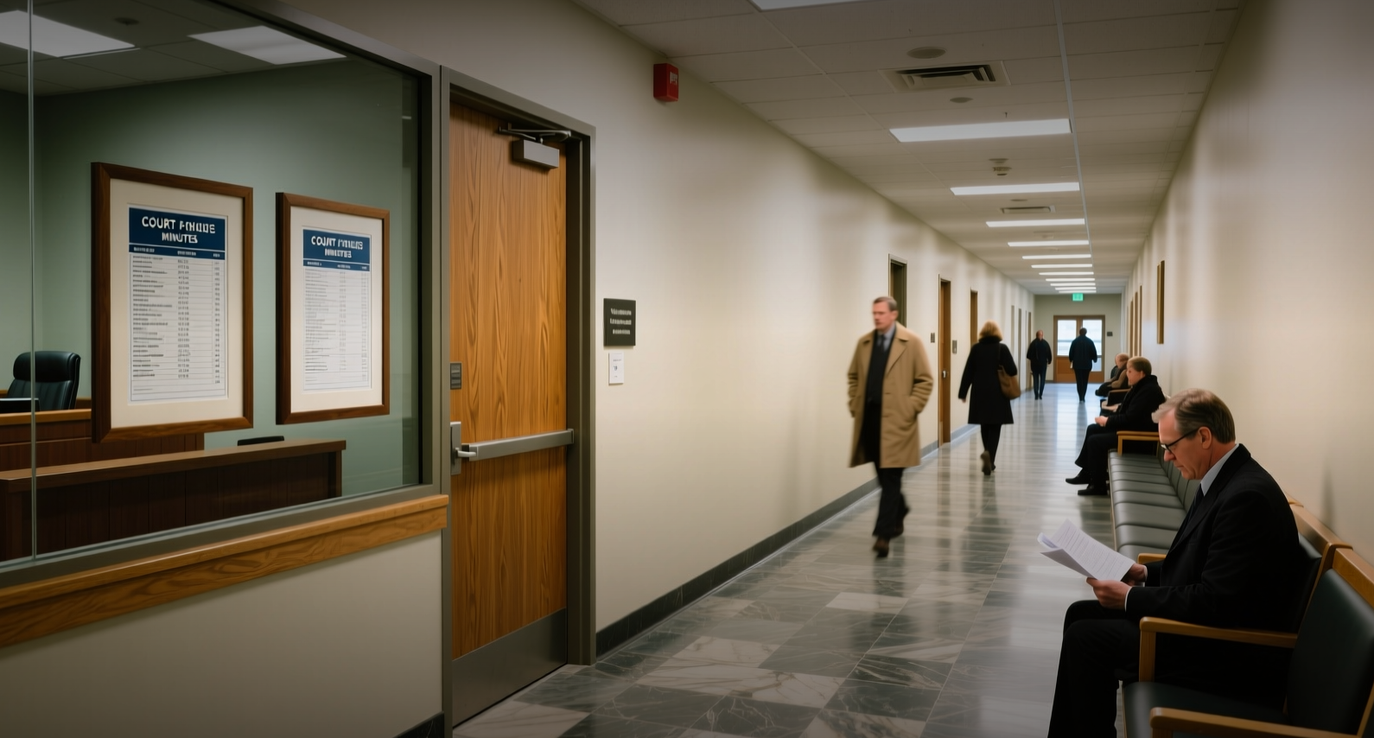
A provincial government in Canada is testing whether an AI developer can be held liable for how its model is used after it ships. British Columbia's lawsuit against OpenAI, filed Sept. 21, claims ChatGPT played a role in a mass school shooting and that the company stayed silent when its systems flagged the danger — a claim no court has yet resolved for a large language model. "This case tests whether a model provider owes a duty of care to the public when its system is used to plan violence," said Emily Cartwright, a product-liability litigator at Bennett Jones in Vancouver, who is not involved in the matter. "No court has answered that question for a large language model." The suit, filed in British Columbia Supreme Court, names two distinct failures. The first is a product-safety claim: that ChatGPT's safeguards did not prevent the model from assisting in the planning of an attack. The second is a disclosure claim: that OpenAI detected the usage and did not notify police, which the province frames as a monitoring and reporting gap rather than a design defect. The province did not disclose a specific damages figure, and OpenAI has not yet filed a response. Neither the number of plaintiffs nor the shooting's casualty count was confirmed in the filing summary. The notification prong is the harder of the two for OpenAI to defend, because it turns on what the company knew and when — a question that lives in internal logs rather than in model architecture. OpenAI's usage policies state that it may report credible threats of violence to authorities, and its safety systems flag categories including self-harm and violent intent. Whether a flagged conversation triggers a human review, and how quickly, is not publicly documented. That opacity is precisely what the province is targeting. The financial stakes extend well beyond one jurisdiction. OpenAI was last valued at $500 billion in a secondary share sale, and its largest backer, Microsoft, has committed more than $13 billion to the partnership and books a share of OpenAI's losses. Microsoft shares have traded near $500 after a year in which its Azure AI business became the company's primary growth engine. Any ruling that establishes a duty to monitor and report model outputs would apply to every consumer-facing AI product, including Google's Gemini, Anthropic's Claude, Meta's Llama, and xAI's Grok — all of which operate under similar usage policies with similar disclosure gaps. The precedent question is what makes the case structurally different from earlier AI litigation. Copyright suits filed by authors and news publishers, including the New York Times against OpenAI and Microsoft, test how models are trained. This suit tests what a model does after deployment and what its maker owes the public when it does harm. A finding for British Columbia would create a post-deployment duty of care; a dismissal would leave the sector without a liability standard, which is arguably worse for planning purposes because it keeps the risk unquantifiable. For investors, the near-term earnings impact is negligible and the near-term risk premium is not. Insurance carriers that underwrite technology errors-and-omissions policies have begun asking about model-monitoring practices in renewal questionnaires, according to two brokers who declined to be named discussing client matters. If carriers start excluding AI-related harm from standard policies, the cost of operating a consumer AI product rises for every company in the sector, not just OpenAI. That is the channel through which a single provincial lawsuit becomes a sector-wide expense line. The next milestone is OpenAI's response to the complaint, which under British Columbia civil procedure is typically due within 21 to 30 days of service. Other provinces and at least one U.S. state attorney general's office are watching the filing, according to a person familiar with the matter, though no additional suits have been filed. The case is British Columbia v. OpenAI, filed in the Supreme Court of British Columbia. This article is for informational purposes only and does not constitute investment advice.
Sep 21 2026, 21:03
Gauzy faces Nasdaq delisting after failing $1 bid price test
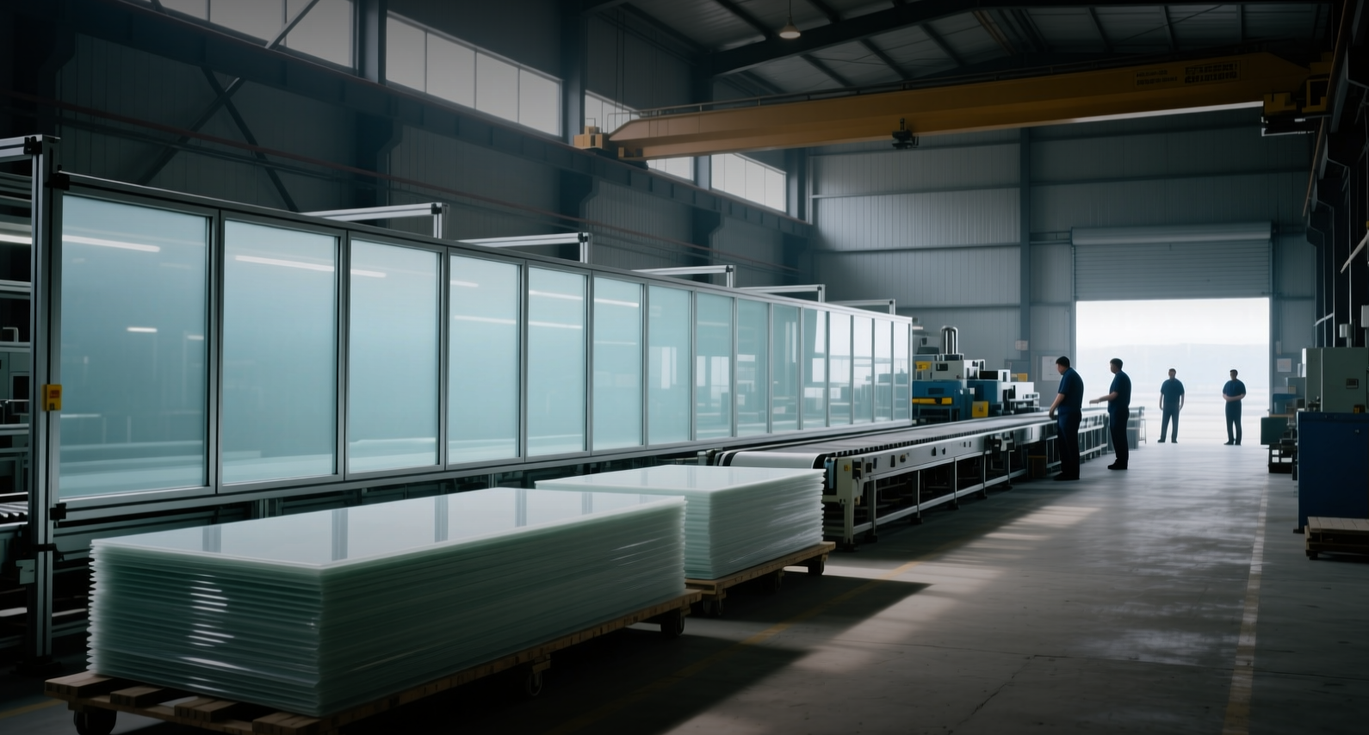
Gauzy Ltd. is contesting an exchange ruling that would end its U.S. listing, after the Israeli light-control maker spent 180 days without lifting its share price back above the $1 floor Nasdaq requires. Gauzy will ask a Hearings Panel to review the staff determination, a step it must take by Sept. 22, 2026 under Listing Rule 5815. Filing the request suspends any suspension or delisting action, leaving the securities fully tradeable while the review proceeds. Nasdaq's determination rests on two separate failures. The first is Listing Rule 5450(a)(1): Gauzy disclosed on March 17, 2026 that its bid price had closed below $1 for 30 consecutive business days, giving it until Sept. 14, 2026 — 180 calendar days under Rule 5810(c)(3)(A) — to regain compliance. It did not. The second is Listing Rule 5250(c)(1): on May 19, 2026, Nasdaq staff notified Gauzy that it had not filed its Form 20-F for the year ended Dec. 31, 2025. Because the bid-price deficiency went uncured, Nasdaq told the company it is no longer eligible to have a compliance plan reviewed for the delinquent filing under Rule 5810(c)(2)(A), making the missing annual report an additional basis for delisting. "The Company believes that its currently improved financial position will support the continued listing of its securities," Gauzy said in the statement, adding that "there can be no assurance that upon the Appeal hearing, the Panel will determine to allow the continued listing of the Company's securities on the Nasdaq Global Market." The appeal buys time but not certainty. A Nasdaq Hearings Panel can grant continued listing, impose a cure period with conditions, or affirm the delisting. Gauzy's own disclosure flags the outcome as unresolved, and the company did not disclose a hearing date or the size of any equity infusion tied to the "improved financial position" it cites. The stakes for holders are mechanical. A delisting would move Gauzy's shares to the over-the-counter market, where spreads widen, institutional mandates that restrict unlisted holdings force sales, and index providers remove the stock from their benchmarks. Gauzy is not currently a member of the major U.S. large-cap indices, so the removal risk is concentrated in small-cap and micro-cap benchmarks that screen on exchange listing. Peer small-cap vision and display suppliers that have migrated to OTC — including several Israeli-domiciled technology issuers that lost Nasdaq compliance on bid price in 2024 and 2025 — have typically traded at wider spreads and lower revenue multiples than exchange-listed comparables. The delisting notice lands alongside separate stress in Gauzy's operations. The company's forward-looking disclosure references a proposed debt settlement in Israel and court-supervised reorganization proceedings in France, known as redressement judiciaire, including a call for public tenders. Those processes, not the Nasdaq notice, are the larger claim on the company's balance sheet, and the timing of any resolution is not yet disclosed. Gauzy describes itself as a fully integrated light and vision control company serving aeronautics, automotive and architecture customers in more than 60 countries, with subsidiaries in Germany, France, the United States, Canada, China, Singapore and the United Arab Emirates. Its shares trade under the ticker GAUZ. For holders, the near-term signal is binary. A successful appeal preserves Nasdaq trading and keeps the stock eligible for institutional mandates and index inclusion; a failed appeal pushes GAUZ to OTC, where liquidity and valuation multiples compress. The next hard date is the Sept. 22, 2026 appeal filing deadline, after which the Panel's scheduling order will set the hearing timeline. Investors should also watch for the overdue Form 20-F for fiscal 2025, whose filing would remove one of the two delisting bases. This article is for informational purposes only and does not constitute investment advice.

Sep 21 2026, 21:01
PTC closes $210 million ST-920 buy as Q4 2026 BLA nears
Sangamo Therapeutics Inc.'s Fabry disease program changed hands on Sept. 21, with PTC Therapeutics Inc. taking ownership of the one-time AAV gene therapy ST-920 and inheriting a rolling FDA application that must be finished in the fourth quarter of 2026. "Our team looks forward to completing the ST-920 BLA submission and potentially bringing a one-time administered, safe and effective durable disease treatment that addresses the limitations of chronic enzyme replacement therapy to the Fabry community," Matthew B. Klein, PTC's chief executive officer, said in the statement announcing the close. The Warren, New Jersey-based company agreed in August to pay about $210 million for the asset, according to MarketScreener's record of the transaction. ST-920, also called isaralgagene civaparvovec, is designed to deliver a working copy of the GLA gene so patients produce their own alpha-galactosidase A (α-Gal A) enzyme, the protein that clears globotriaosylceramide (Gb3) from cells. In clinical studies the therapy produced long-term α-Gal A activity and a significant reduction in Gb3 levels, with what PTC describes as durable clinical benefit and less burden than chronic enzyme replacement therapy, which requires infusions every two weeks. The regulatory file is unusually well stocked for an asset at this stage. The FDA has granted Orphan Drug, Fast Track and RMAT designations to isaralgagene civaparvovec. The European Medicines Agency has given it Orphan Medicinal Product designation and PRIME eligibility, and the U.K. Medicines and Healthcare products Regulatory Agency has admitted it to the Innovative Licensing and Access Pathway. PTC said the rolling BLA, which allows sections of the application to be filed and reviewed as they are completed, is expected to be finished in the fourth quarter of 2026 under the FDA's accelerated approval pathway. Fabry disease is a lysosomal storage disorder caused by mutations in the galactosidase alpha gene. Without sufficient α-Gal A, Gb3 accumulates and damages the kidney, heart, nerves, eyes, gut and skin. Symptoms include reduced or absent sweating, heat intolerance, angiokeratoma skin lesions, vision problems, kidney disease, heart failure, gastrointestinal disturbance, mood disorders and neuropathic pain. Existing treatment is enzyme replacement, an indefinite infusion schedule that does not fully halt organ damage. ## A $65 stock with a $101 consensus target PTC shares closed at $65.26 on Sept. 21, down 0.17% on the session and 14.09% since the start of the year, according to MarketScreener data. The stock trades well below the average analyst target of $101.29 from 14 covering analysts, a spread of 54.94%, with a consensus rating of Buy. RBC Capital Markets trimmed its target to $85 from $82 on July 7 while keeping a Sector Perform rating, a note that predates the ST-920 closing. The company's commercial base gives it room to carry a gene therapy build-out. PTC reported second-quarter 2026 earnings per share of $0.92 against a FactSet consensus of $0.24, on revenue of $360.5 million versus an estimate of $298.6 million. Management raised full-year 2026 revenue guidance to a range of $1.18 billion to $1.28 billion, in line with the FactSet estimate of $1.18 billion. The portfolio spans Translarna and Emflaza for Duchenne muscular dystrophy, Upstaza for AADC deficiency, Evrysdi for spinal muscular atrophy, and Tegsedi and Waylivra. For Sangamo, the closing converts a lead asset into cash after a strategic reset that left the company dependent on partnership revenue. The deal also lands as a sentiment marker for AAV gene therapy, a modality the FDA has scrutinized closely since several high-profile safety reviews, with several developers cutting programs or restructuring over the past two years. The next hard checkpoint is the completed BLA filing in the fourth quarter of 2026. A successful accelerated approval would make ST-920 the first gene therapy cleared for Fabry disease in the United States, a market where the eligible patient population is small but the lifetime cost of enzyme replacement runs into millions of dollars per patient. Investors will also watch whether PTC discloses regulatory milestone payments tied to the program, which the company flagged as an obligation in its forward-looking risk disclosures. This article is for informational purposes only and does not constitute investment advice.