Edgen AI operates independently of, and is not controlled by Aspen Digital Financial Limited.
WTI hits $88 as Trump threatens Tehran strikes, Cushing nears floor
 Edgen Stock·Jul 22 2026, 23:12
Share to
Share to
Copy link

[1] WTI冲上88美元六周高位!特朗普称"德黑兰市内"纳入打击坐标,库欣库存触底与产量回落共振 (https://wallstreetcn.com/articles/3777716 ...)[2] Pentagon identifies 4th service member killed in recent days as U.S. carries out more strikes (https://www.cbsnews.com/live-updates/iran-war ...)[3] Iran war latest: Trump threatens attack on nuclear site (https://www.msn.com/en-gb/news/world/iran-war ...)[4] Pentagon identifies 4th service member killed as U.S.-Iran war escalates (https://www.yahoo.com/news/us/articles/u-vows ...)[5] What a US attack on Iran's Pickaxe mountain could look like (https://www.indiatoday.in/opinion/story/iran- ...)
Related News
Jul 23 2026, 00:43
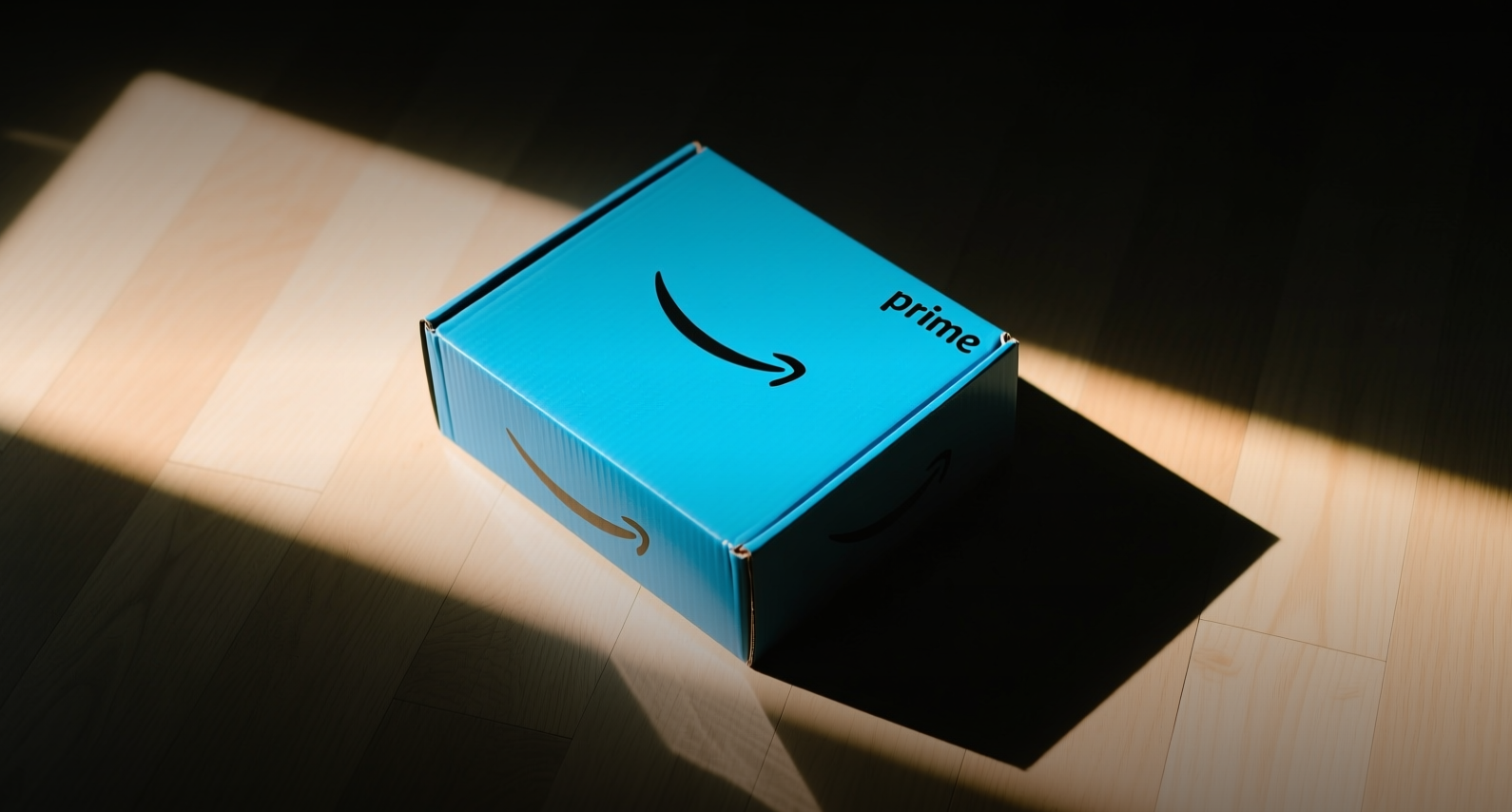
Amazon pays $1.5 billion in FTC settlement over Prime enrollment practices
**Amazon must pay $1.5 billion in refunds to customers and a $1 billion civil penalty to resolve Federal Trade Commission allegations that it enrolled tens of millions of consumers in Prime subscriptions without their knowledge and made cancellation intentionally difficult.** The FTC's complaint, filed in June 2023, alleged that Amazon used deceptive interface designs — known as "dark patterns" — to steer customers into Prime memberships through multiple enrollment flows including the universal Prime decision page, shipping selection page, single-page checkout and Prime Video enrollment. Customers who tried to cancel faced a multi-step process the agency described as designed to thwart their exit, dubbed "Iliad Flow" internally at the company. "This settlement holds Amazon accountable for tricking millions of consumers into a recurring subscription they never agreed to," said Samuel Levine, director of the FTC's Bureau of Consumer Protection. "The $2.5 billion total judgment — including $1.5 billion in consumer refunds — sends a clear message that deceptive subscription practices carry significant consequences." Amazon began issuing automatic refunds to eligible customers in November and December 2025, according to the settlement administrator. Starting in January 2026, the company began sending claim notices by mail or email to customers who did not receive automatic payments. Eligible Prime members may receive refunds of up to $51, representing a portion of the annual membership fee, with total payouts capped at the $1.5 billion fund. **Who qualifies and how to claim** Customers qualify for compensation if they were enrolled in Prime through a challenged enrollment flow or attempted to cancel through the online cancellation process but were unable to do so between June 23, 2019, and June 23, 2025. Additionally, eligible customers must have used no more than three Prime benefits — such as Prime Music or Prime Video — in any 12-month period following enrollment. Amazon is responsible for determining which customers enrolled through challenged flows, relieving individuals of that burden. Customers who did not receive an automatic refund have until July 27, 2026, to submit a claim through the settlement website at www.SubscriptionMembershipSettlement.com or by contacting the administrator at admin@SubscriptionMembershipSettlement.com. Payments can be received by check, PayPal or Venmo, with disbursements expected in late 2026. **Regulatory implications for Big Tech** The settlement represents one of the largest consumer protection judgments against a technology company in U.S. history. The $1 billion civil penalty alone exceeds the FTC's total annual budget of approximately $430 million for fiscal 2025. The case signals heightened regulatory scrutiny of subscription-based business models across the technology sector, where recurring revenue now accounts for a growing share of revenue for companies including Apple, Google and Microsoft. The FTC's action against Amazon follows a broader push by the agency under Chair Lina Khan to police what it views as anticompetitive and deceptive practices among dominant platforms. The agency has pursued similar cases involving subscription practices at other companies, though none have resulted in penalties of this magnitude. Amazon, as part of the settlement, agreed to cease the enrollment and cancellation practices identified in the complaint and to implement compliance measures subject to FTC oversight. This article is for informational purposes only and does not constitute investment advice.
Jul 23 2026, 00:41
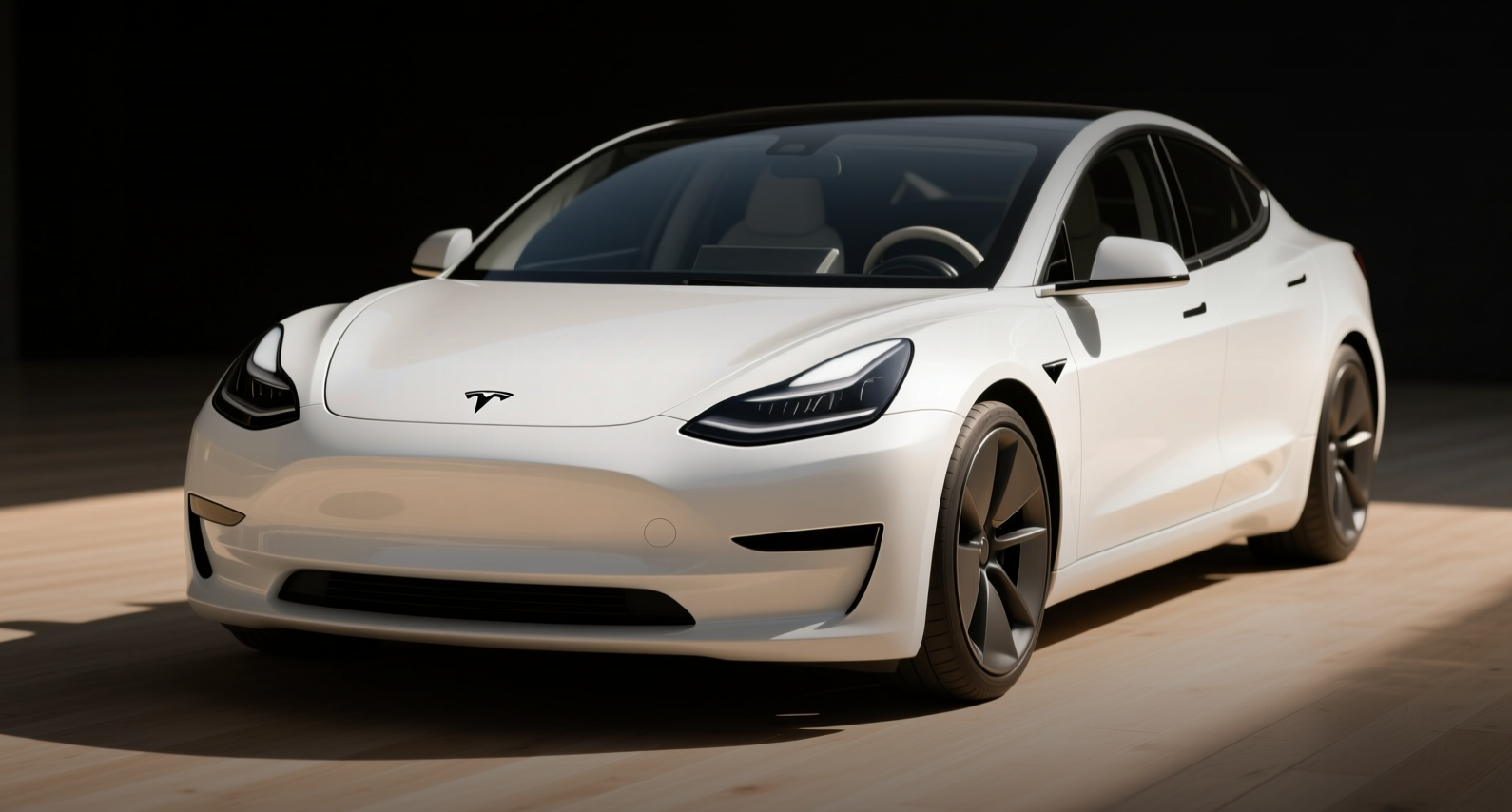
Tesla robotaxi fleet logs 380,000 unsupervised miles with zero incidents
**Tesla's unsupervised robotaxi fleet has completed more than 380,000 miles of autonomous driving without a single notable incident, the company's AI chief said.** Tesla's unsupervised robotaxi fleet logged more than 380,000 miles with zero notable incidents, the company's head of AI said, marking a milestone as the automaker expands its autonomous ride-hailing service into seven US metropolitan regions. "We can't have robotaxis stuck in these Bermuda Triangles of lack of cellular connectivity," Elon Musk, Tesla's chief executive officer, said on the company's second-quarter earnings call, explaining why the Cybercab will integrate Starlink terminals for fleet management rather than passenger entertainment. Ashok Elluswamy, Tesla's vice president of AI, said the fleet's safety record disproves critics who argued that camera-only autonomous systems require lidar or radar. Tesla has begun unsupervised operations in Orlando and Tampa, adding to existing services in Miami and three Texas cities. The company has installed annual manufacturing capacity for 125,000 Cybercabs at its Texas factory. The safety milestone comes as Tesla invests heavily in autonomous driving and robotics. Capital expenditures rose 142 percent year over year to $5.8 billion in the second quarter, with Musk calling 2026 a "massive" investment year. Tesla shares closed at $374.01, down about 1 percent, before the earnings release. **Starlink Integration Serves Fleet Operations, Not Riders** When Tesla confirmed it would integrate Starlink V5 terminals into Cybercab vehicles, many assumed the satellite internet connection would allow passengers to stream video or work during rides. Elluswamy clarified the real purpose: constant connectivity for navigation, customer service, and fleet management. "It is still not required for safe operation of the vehicle," he said on X. "Connectivity is primarily meant for navigation, customer service and, in general, fleet management." The distinction matters because Tesla's primary concern with robotaxi deployment is safety. Musk said on the earnings call that the company is "going as fast as humanly possible in scaling Robotaxi, but while trying to ensure that we do not harm anyone at all." He warned that a single injury could trigger regulatory clampdowns. **Cybercab Production Ramps as Robotaxi Expands** Tesla began employee testing of autonomous Cybercab rides around its Gigafactory Texas campus in July. The purpose-built robotaxi, which lacks a steering wheel and pedals, represents Tesla's bet that a dedicated vehicle designed without driver controls will achieve lower per-mile costs than retrofitting existing models. The company said it has installed annual manufacturing capacity of 125,000 Cybercabs, though current production rates remain undisclosed. The robotaxi expansion coincides with broader progress on Tesla's Full Self-Driving software. The company reported 1.48 million active FSD subscriptions in the second quarter, a 56 percent increase from a year earlier. Over 55 percent of new North American deliveries included an FSD subscription at the time of purchase. **Investment Implications** Tesla's robotaxi progress strengthens the bull case that the company can generate high-margin recurring revenue from autonomous ride-hailing, a thesis that underpins much of its $1.2 trillion market capitalization. Cantor Fitzgerald analyst Andres Sheppard, who has a $510 price target on Tesla shares, called the robotaxi segment a "software-as-a-service, high-margin model." The 380,000-mile safety record provides data to support regulatory approvals in additional markets, though Musk cautioned that expansion will prioritize safety over speed. Rival Waymo, operated by Alphabet Inc., has logged millions of autonomous miles but operates a fleet retrofitted with lidar and radar sensors, a cost structure that Tesla argues its camera-only Cybercab can undercut. This article is for informational purposes only and does not constitute investment advice.

Jul 23 2026, 00:41
Eternal lifts quick commerce margin target to 6% on 21% volume jump
Eternal Ltd. reported quick commerce volume rose 21% in the June quarter and raised its long-term margin target to 6%, as larger store investments improved efficiency. "We have increased the CapEx per store in our business, and these investments are leading to an increase in efficiency," Akshan Goyal, management at Eternal, said. Monthly transacting users exceeded 30 million, with older cohorts spending three times more than three years ago, mostly driven by frequency. Average order value was flat year over year, and executives said they do not expect meaningful AOV growth ahead. CapEx per store rose to about INR 2.5 crore from INR 1 crore as the company shifted to larger store formats. The company did not disclose actual revenue or earnings per share for the quarter. Shares slipped 0.77% to $284.4, a modest move that suggested investors weighed stronger operating trends against heavy investment and persistent competition. The stock trades well above its 52-week low of $212.6 and below its high of $368.45. Management said competitive intensity was at its peak in the quarter but has become more predictable, with rivals focusing mainly on subsidies and delivery fee discounts. Most growth came from deeper penetration in existing cities rather than geographic expansion, and customer retention improved while marketing spend declined. The company raised its long-term quick commerce EBIT margin target to 6%, including ESOP expenses and depreciation, from a prior 5%-6% range. Goyal said larger stores and higher CapEx are improving efficiency and giving the company better visibility on margins. Inventory losses remained at about 1.8% of net order value, and management said there may be little room for material improvement. Net working capital stood at 14 days, with a long-term steady-state target of about 12 days. Operating cash flow was helped by a one-time tax refund of about INR 1,650 crore. For Bistro, the cloud kitchen business, Eternal is adding about 10 kitchens per quarter. The company described Nugget, its enterprise AI product, as still in stealth mode but gaining traction. District, its going-out business, is expanding, with dining and movies the largest categories. The margin target raise signals management expects efficiency gains from larger stores to compound over time. Investors will watch whether the company can sustain volume growth above 20% without resorting to discounting, as competition in quick commerce remains intense. This article is for informational purposes only and does not constitute investment advice.