Edgen AI operates independently of, and is not controlled by Aspen Digital Financial Limited.
Standard Chartered posts $1.71B profit beat, launches $1B buyback
 Edgen Stock·Jul 29 2026, 07:53
Share to
Share to
Copy link

[1] StanChart Posts Profit Beat, Announces $1.0 Bln Buyback (https://www.wsj.com/finance/banking/stanchart ...)[2] Standard Chartered Posts Profit Beat, Announces $1 Billion Buyback (https://www.msn.com/en-us/money/top-stocks/st ...)[3] European stocks close on firm note on earnings, soft UK inflation data (https://finance.yahoo.com/markets/world-indic ...)[4] Standard Chartered launches $1bn buyback, lifts FY income target - Sharecast.com (https://www.sharecast.com/news/news-and-annou ...)
Related News

Jul 29 2026, 09:15
Schiff says AI bubble has more air to lose, SPCX down 50%
**Economist Peter Schiff said the artificial-intelligence stock bubble still has significant room to deflate, as shares of Elon Musk's SpaceX extended a decline that has erased more than half their value.** Economist Peter Schiff said the AI-driven stock bubble has "a lot more air" left to come out, as SpaceX shares extended their post-IPO slide to more than 50% from their peak. "The AI bubble is deflating, but it's got a lot more air left to come out," Schiff, an economist and longtime gold advocate, said in a social-media post. "This is an example of why it's so dangerous to rush into buying a heavily hyped IPO during its first few days of trading." Space Exploration Technologies Corp., which trades under the ticker SPCX, has lost more than 50% of its value since hitting a record $225.64 on June 16, the first trading day after its initial public offering. The stock closed at $109.96 on July 28, well below its $135 IPO price, and has traded beneath that level for eight consecutive sessions. The selloff has erased more than $1.2 trillion in market value from the June peak, according to Benzinga data. Short sellers have pocketed $15.5 billion on the slide. Schiff's warning arrives as SPCX faces a critical test on Aug. 6, when an initial lockup period expires, making 911 million shares eligible for insider sale. The combination of bearish commentary and the looming supply overhang could keep pressure on the stock and, by extension, other high-profile AI and tech names that have driven much of the market's gains this year. The broader rotation out of growth names was visible across major indices on July 28. The Nasdaq 100 fell 0.93% to 27,813.80, while the S&P 500 slipped 0.1% to 7,448.30. The Dow Jones Industrial Average gained 1.07% to 52,824.20, reflecting a shift into value and defensive sectors as technology names lagged. Schiff's warning echoes a broader skepticism that has emerged as AI-related stocks retreat from elevated valuations. The economist has been a persistent critic of what he calls the "AI hype cycle," arguing that many companies in the space trade at multiples unsupported by earnings. He previously said SpaceX was "coming back down to earth" when the stock touched $110.05, calling it dangerous to buy into the hype. For SPCX, the next catalyst is the company's Aug. 4 earnings report, followed two days later by the lockup expiration. Prediction markets assign only a 4% probability of SPCX closing above $150 by month-end, according to Polymarket data. Bernstein SocGen analyst Douglas Harned maintained an Outperform rating and a $239 price target on the stock, implying more than 110% upside from current levels. This article is for informational purposes only and does not constitute investment advice.

Jul 29 2026, 09:15
Fed's dovish signals may lift euro 3% as rate decision looms
The Federal Reserve's July 28-29 meeting has become a coin toss, with traders pricing a 36% chance of a quarter-point hike as inflation concerns collide with a softening economic outlook, Commerzbank analysts said. The widely watched CME Group FedWatch Tool shows a 64% probability that the Federal Open Market Committee holds its benchmark rate at 3.5% to 3.75%, a marked shift from the near-90% probability of a hold just weeks ago as oil prices surged and tariff threats resurfaced. "If the Fed signals a willingness to cut rates later this year or adopts a more dovish tone on inflation, the dollar could weaken significantly, providing a tailwind for the euro," a Commerzbank strategist said in a note published Tuesday. The euro traded at $1.0875 early Tuesday, while the DXY dollar index held near $101.52, just below resistance at $101.65. The dollar index has climbed 4% this year, supported by the Fed's hawkish posture and the relative resilience of the U.S. economy. By September, traders price a 79% cumulative probability of at least one quarter-point hike, and by December the FedWatch Tool leans toward a half-point increase with a 37.7% probability of a 4% to 4.25% target rate. The repricing reflects renewed inflation pressures from the Iran war's impact on oil prices and fresh tariff threats from the Trump administration, which on July 24 released new duties of 10% to 12.5% against 60 countries for alleged forced labor practices. A dovish pivot would mark a sharp reversal from Chairman Kevin Warsh's "resolute commitment" to price stability, delivered to Congress on July 14-15. Warsh repeatedly told lawmakers the Fed would work on its "resolute commitment" to restore price stability, but he eliminated forward guidance language from the Fed's post-meeting statement in June, leaving markets to guess at the policy path. The last time the Fed used similarly ambiguous language was in early 2025, which preceded a 50-basis-point rate cut over the following three months as the labor market softened. Nonfarm payrolls have averaged roughly 150,000 per month over the past three months, near the breakeven rate estimated by the Atlanta Fed. **Rate Differentials and the Euro's Path** The euro's upside depends on more than just the Fed. The European Central Bank held its deposit rate at 2.25% last week, with President Christine Lagarde saying policymakers were not guiding markets toward a certain path. Eurozone GDP and inflation data due this week will shape expectations for the ECB's September meeting, where traders see a roughly 50% probability of a quarter-point cut. The rate differential between the Fed's 3.5% to 3.75% target and the ECB's 2.25% deposit rate currently stands at 125 to 150 basis points in favor of the dollar, a gap that would narrow if the Fed cuts or signals a dovish tilt. Goldman Sachs Chief U.S. Economist David Mericle said in a note that modest rate hikes would have limited impact on curbing price pressures from supply shocks. "There is little reason to think that the limited hikes currently being entertained by the bond market would provide much help in bringing inflation down," Mericle said. The note attributed most of the overshoot of the Fed's 2% target for core PCE to tariffs, the Iran war, and mismeasurement of artificial intelligence. June headline CPI dropped to 3.4% from May's 4.2%, but core inflation remained elevated, and the Fed's preferred PCE measure stood at 4.1% in May, more than double the target. For the euro to gain 3% against the dollar, the Fed would need to signal a clear dovish tilt — either by holding rates steady with language that opens the door to cuts, or by acknowledging that supply-driven inflation is beyond the reach of monetary policy. The FOMC's next meeting after July is Sept. 15-16, following the Jackson Hole Economic Policy Symposium in August where Warsh is expected to deliver his inaugural keynote address. Markets will scrutinize his speech for any shift in tone that could validate the euro's upside case. This article is for informational purposes only and does not constitute investment advice.
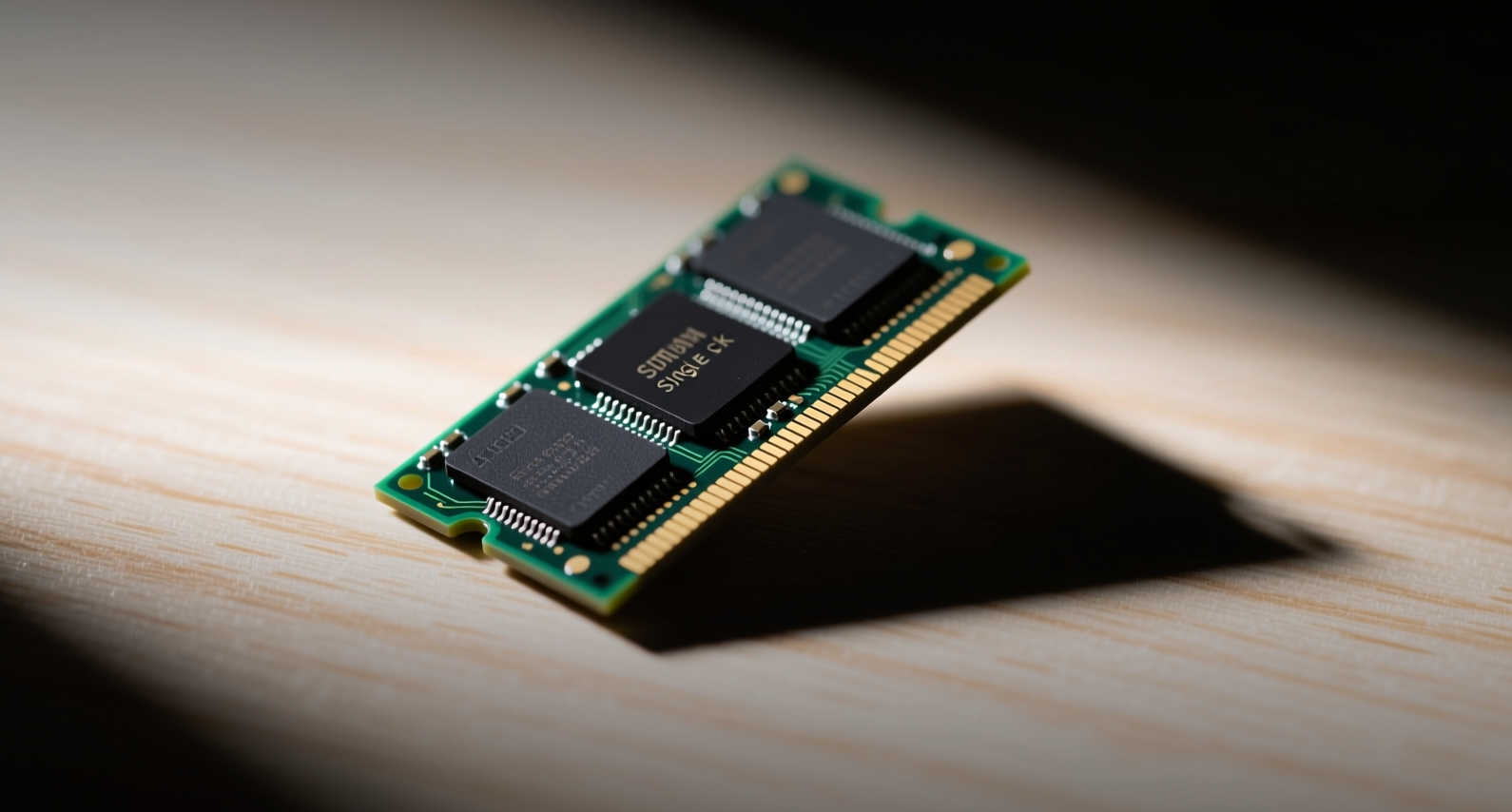
Jul 29 2026, 09:12
Micron CEO sells $37M in stock as shares extend 29% July slide
Micron CEO Sanjay Mehrotra sold $37.3 million in shares, adding to $140 million in insider disposals since May. The transaction covered 40,000 shares and was executed through a Rule 10b5-1 plan adopted Jan. 30, the company said. The arrangement allows the Mehrotra Family Trust to sell as many as 200,000 shares between May 1, 2026, and May 1, 2027. While the pre-scheduled plan weakens the signal of a sudden bearish shift, the scale of disposals — $21.5 million on May 1, roughly $36 million in late May and about $46.3 million in late June — has drawn scrutiny as the stock tumbles. Micron shares fell 8.9% on Tuesday to $820.53, extending the July decline to about 29%. The stock is now 34.6% below its June 25 peak of $1,255. The selloff accelerated after Chinese DRAM maker CXMT Corp. raised $8.6 billion in a Shanghai IPO, reviving concerns that China's memory capacity could ramp faster than expected. The PHLX Semiconductor Index lost about 4.5% on Tuesday, with SanDisk Corp. falling 14.25%, SK hynix Inc. dropping about 9% and Samsung Electronics Co. tumbling 13.4%. The bear case centers on the optics of a chief executive monetizing an exceptional rally. Trivariate Research called Micron "the most important stock in the market" in a July 16 report, describing the shares as a proxy for the AI cycle and investors' willingness to take risk. That role magnifies the impact of an insider sale even when the transaction was planned months in advance. The bullish counterargument rests on Micron's changing business structure. UBS analyst Timothy Arcuri has argued that longer customer agreements, committed volumes and partially fixed pricing could give the company better visibility and a smoother earnings profile than in previous memory cycles. Micron has disclosed 16 multiyear strategic customer agreements covering about 20% of DRAM volume and one-third of NAND volume through 2030, with 14 contracts securing roughly $100 billion in minimum revenue. The stock now trades at 6.6 times annualized guided earnings, down from 10.1 times at the June peak — a multiple reset rather than an estimate reset. FactSet's preliminary consensus for fiscal fourth-quarter EPS stands at $31.16, up from $31.06 a month earlier. Micron projects Q4 revenue of $50 billion, plus or minus $1 billion, with gross margin near 86%. The decline puts Micron at its lowest since the start of the year, testing support levels not seen since before the AI-driven rally accelerated. Investors will watch SK hynix's earnings on Wednesday and results from key AI hyperscalers this week for signals on memory demand durability. This article is for informational purposes only and does not constitute investment advice.