Edgen AI operates independently of, and is not controlled by Aspen Digital Financial Limited.
Fed's dovish signals may lift euro 3% as rate decision looms
 Edgen Stock·Jul 29 2026, 09:15
Share to
Share to
Copy link

[1] Euro: Softer Fed signals may lift EUR against US Dollar – Commerzbank (https://www.fxstreet.com/news/euro-softer-fed ...)[2] Inflation sparks Fed interest-rate debate as July decision looms (https://finance.yahoo.com/economy/policy/arti ...)[3] US Dollar Price Forecast: Fed, GDP and PCE Data in Focus – What’s Next for DXY, ... (https://finance.yahoo.com/markets/currencies/ ...)[4] Rising inflation turns July Fed meeting into rate-hike showdown (https://finance.yahoo.com/economy/policy/arti ...)[5] Goldman Sachs pitches eye-opening view on Fed interest-rate bets (https://finance.yahoo.com/economy/policy/arti ...)
Related News
Jul 29 2026, 10:44
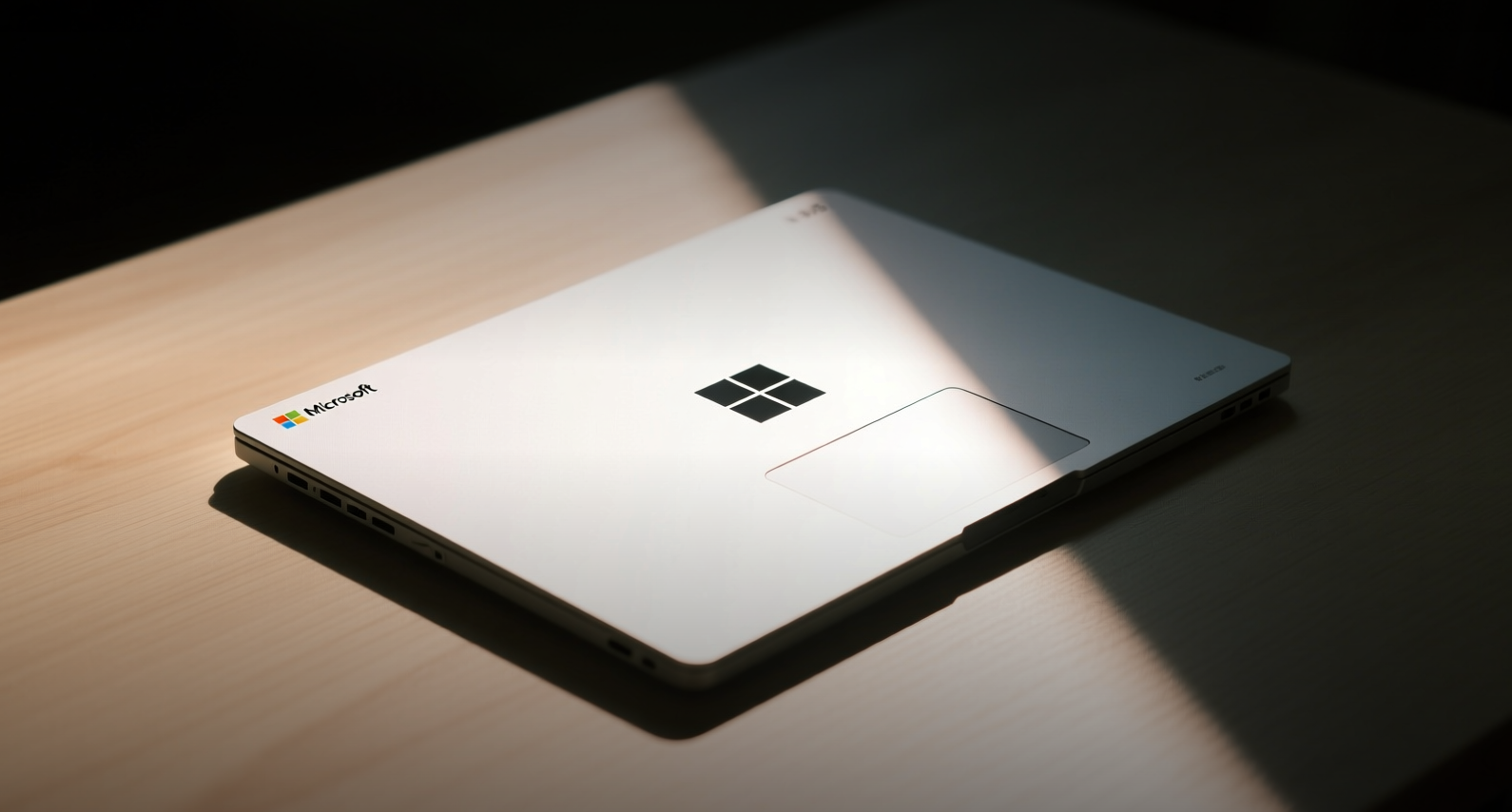
UK CMA opens probe into Microsoft 365 subscription marketing
**The UK's antitrust watchdog is examining whether Microsoft misled millions of personal and family subscribers into paying more for Microsoft 365.** The Competition and Markets Authority on Tuesday opened an investigation into Microsoft Corp. over whether its marketing of Microsoft 365 subscription plans misled personal and family customers, potentially causing them to overpay for the productivity software suite. "People across the UK rely on Microsoft 365, whether they're studying, sending emails or managing household finances," said Hayley Fletcher, senior director for consumer protection at the CMA. "When a business changes its subscription plans, customers need clear and timely information about their options." The probe centers on changes Microsoft made to its 365 plans from January 2025. Existing subscribers were automatically given access to new features — including the Copilot AI assistant — at no extra cost for the remainder of their subscription period. At renewal, customers were rolled onto a new plan with the same features at a higher price unless they actively selected an alternative or canceled, the regulator said. The CMA said it has not reached any conclusions about whether Microsoft broke the law. The investigation marks one of the first major tests of the CMA's expanded enforcement powers under the Digital Markets, Competition and Consumers Act, which allows the regulator to act more swiftly against big tech companies. If the probe finds Microsoft breached consumer protection law, the company could face fines and be forced to change its subscription practices in the UK, potentially affecting millions of users. **Three Regulators, One Target** The UK action is part of a broader regulatory push. The Australian Competition and Consumer Commission and the Italian Competition Authority are separately investigating Microsoft over similar concerns about information provided to customers when their subscription plans were renewed, the CMA said. The coordinated scrutiny highlights the global regulatory focus on subscription-based business models, where automatic renewals and price increases have drawn increased attention from consumer watchdogs. Microsoft 365 is a core product for the company, with hundreds of millions of subscribers globally. The UK represents one of its largest markets outside the US. Any forced changes to pricing or marketing practices in Britain could set a precedent for other jurisdictions examining similar practices. The CMA's new powers under the Digital Markets, Competition and Consumers Act give it greater authority to investigate and penalize tech companies without lengthy court proceedings. The last time the regulator pursued a major tech subscription case was its 2023 investigation into Adobe's cancellation practices, which led to changes in how the company handled subscription terminations. **What Comes Next** The CMA said its investigation will examine whether Microsoft's communications with customers before renewal were misleading, particularly regarding the price and terms of the new plans. The regulator has not set a timeline for concluding the probe, which could result in enforcement action, formal commitments from Microsoft to change its practices, or a finding of no violation. For investors, the investigation adds regulatory risk to a business segment that has been a reliable growth driver. Microsoft's productivity and business processes segment, which includes Office subscriptions and commercial cloud services, has consistently delivered double-digit revenue growth. Any disruption to UK subscription practices could have a measurable impact, though the financial implications remain unclear at this stage. The probe also comes as Microsoft pushes deeper into AI monetization through Copilot integration across its product suite. The CMA's focus on how the company communicated the inclusion of Copilot in its subscription plans could influence how Microsoft packages and prices AI features for consumers going forward. This article is for informational purposes only and does not constitute investment advice.

Jul 29 2026, 10:43
Biogen beats Q2 with $3.60 EPS on growth portfolio strength
Biogen reported second-quarter revenue of $2.74B and adjusted earnings per share of $3.60, beating consensus estimates on both metrics as its growth portfolio of newer drugs surpassed legacy multiple sclerosis sales for the first time. "The growth portfolio has reached an inflection point, now contributing more than half of total revenue," the company said in its earnings release. The milestone reflects momentum from Skyclarys, Zurzuvae and the recently acquired Apellis portfolio, which includes the kidney disease drug Empaveli and the eye treatment Syfovre. | Metric | Actual | Consensus | Beat/Miss | |--------|--------|-----------|-----------| | Revenue | $2.74B | $2.47B | +10.9% | | Adjusted EPS | $3.60 | $2.89 | +$0.71 | | Adj. Net Income | $536.2M | — | -33% YoY | Adjusted net income fell 33 percent year over year to $536.2M, reflecting one-time in-process research and development charges tied to the Apellis acquisition and a felzartamab licensing deal. The prior-year quarter included adjusted EPS of $5.47. Revenue from legacy MS drugs — Tecfidera, Tysabri and Spinraza — continued to decline as generic and biosimilar competition intensified, the company said. That pressure was offset by strong sequential growth from Vumerity, Skyclarys and higher Alzheimer's collaboration revenue from Leqembi, which Biogen co-markets with Eisai. The Apellis acquisition, completed earlier this year, added Empaveli for paroxysmal nocturnal hemoglobinuria and Syfovre for geographic atrophy to Biogen's commercial portfolio. The company also recorded initial contributions from felzartamab, an investigational antibody it licensed for immunoglobulin A nephropathy. Biogen raised its full-year 2026 adjusted EPS guidance by $0.60, signaling confidence that the growth portfolio's trajectory will sustain. The company did not disclose a revised revenue range. The guidance raise suggests management expects the portfolio transition to continue accelerating. Investors will watch the Q2 earnings call later today for updated segment-level margins and the initial contribution from the Apellis assets. This article is for informational purposes only and does not constitute investment advice.

Jul 29 2026, 10:36
Standard Chartered lifts income target as 1H profit beats estimates
Standard Chartered reported 1H profit before tax of USD4.78 billion, up 9% from a year earlier and beating analyst estimates. "The results reflect strong wealth momentum across our markets," Benjamin Hung, President, International at Standard Chartered, said. The bank declared an interim dividend of 20.4 cents per share, up from the prior year. It completed USD1 billion in share buybacks during the first half and has returned about USD10.3 billion to shareholders over the past three years, including USD3 billion in dividends and USD7.4 billion in buybacks. Hung said the bank still has room for additional buybacks and that the mix of dividends and buybacks will become more balanced going forward, with a potential increase in the payout ratio in the second half. Nearly half of the first-half loan impairment charges came from Middle East-related provisions, Hung said. He described the Middle East situation as uncertain but said the bank has made sufficient provisions. He expects the Federal Reserve to keep interest rates unchanged over the next two quarters. Judy Hsu, CEO of Wealth and Retail Banking at Standard Chartered, said China's new regulations on outbound investment are aimed at clarifying rules and cracking down on unofficial channels, not restricting capital inflows into Hong Kong or other regions. The group's net new money inflows remained strong in both the first half and the second quarter, and Hsu said she does not expect the measures to affect client growth or net new money inflows. Shares of Standard Chartered rose 3.86% on the day. Goldman Sachs raised its price target on the stock to HKD276, citing the second-quarter earnings beat and improved full-year guidance. The guidance raise signals management expects wealth and banking momentum to sustain. Investors will watch the second-half earnings for updates on the dividend payout ratio and buyback program. This article is for informational purposes only and does not constitute investment advice.