Edgen AI operates independently of, and is not controlled by Aspen Digital Financial Limited.
Standard Chartered lifts income target as 1H profit beats estimates
 Edgen Stock·Jul 29 2026, 10:36
Share to
Share to
Copy link

[1] STANCHART: Mainland CN's New Rules Do Not Curtail Capital Inflows to HK (https://www.aastocks.com/en/stocks/news/aafn- ...)[2] StanChart lifts income target after wealth boom powers earnings beat; shares jump (https://www.msn.com/en-us/money/markets/stanc ...)
Related News

Jul 29 2026, 11:36
New Oriental annual profit jumps 27.8% to US$475M, guided 14%-18% growth
New Oriental reported FY2026 net income of US$475.2 million, up 27.8% year over year, as revenue grew 15.5% to US$5.66 billion. "The consistent growth we have achieved validates our long-term approach," Michael Yu, Executive Chairman of New Oriental, said. Fourth-quarter revenue rose 23% to US$1.53 billion, with operating income swinging to US$85.8 million from a loss of US$8.7 million a year earlier. Non-GAAP operating margin for the full year expanded 170 basis points to 13%. New educational business initiatives grew 24.8%, while domestic test preparation for adults and university students rose 29.1%. The company guided FY2027 revenue of US$6.45 billion to US$6.68 billion, implying 14% to 18% growth. ADRs rose more than 3% in premarket trading. **East Buy and AI Integration Drive Diversification** East Buy, New Oriental's livestreaming e-commerce arm, launched 11 new Douyin vertical accounts during the fiscal year, expanding its channel matrix to 18. The unit will open offline experience stores via New Oriental's learning centers in FY2027 and accelerate private label development, CEO Chenggang Zhou said. New Oriental's new customer service platform, New Oriental Home, has served more than 950,000 families across 69 cities, designed to reduce customer acquisition costs and unlock cross-selling potential. The company deepened AI integration across its education ecosystem, embedding AI into existing offerings and deploying the technology to boost operational efficiency. Its OMO (online-merge-offline) teaching system was further enhanced during the year. **Shareholder Returns and Balance Sheet** As part of its three-year shareholder return plan, New Oriental approved a US$300 million ordinary cash dividend for FY2027, payable in two installments in December 2026 and June 2027. The board also authorized a new US$200 million share repurchase program over the next 12 months. Under the prior program, the company repurchased about 51.5 million common shares for US$274 million as of July 28. New Oriental held US$1.82 billion in cash and cash equivalents as of May 31, plus US$1.37 billion in term deposits and US$2.37 billion in short-term investments. Deferred revenue, representing cash collected upfront from customers, rose 14.8% to US$2.24 billion. The guidance raise signals management expects sustained demand across both education and e-commerce segments. Investors will watch the company's first-quarter FY2027 results for updated margin trends across its diversified business lines. This article is for informational purposes only and does not constitute investment advice.
Jul 29 2026, 11:34
P&G revenue misses at $21.2B, forecasts muted 2027 growth
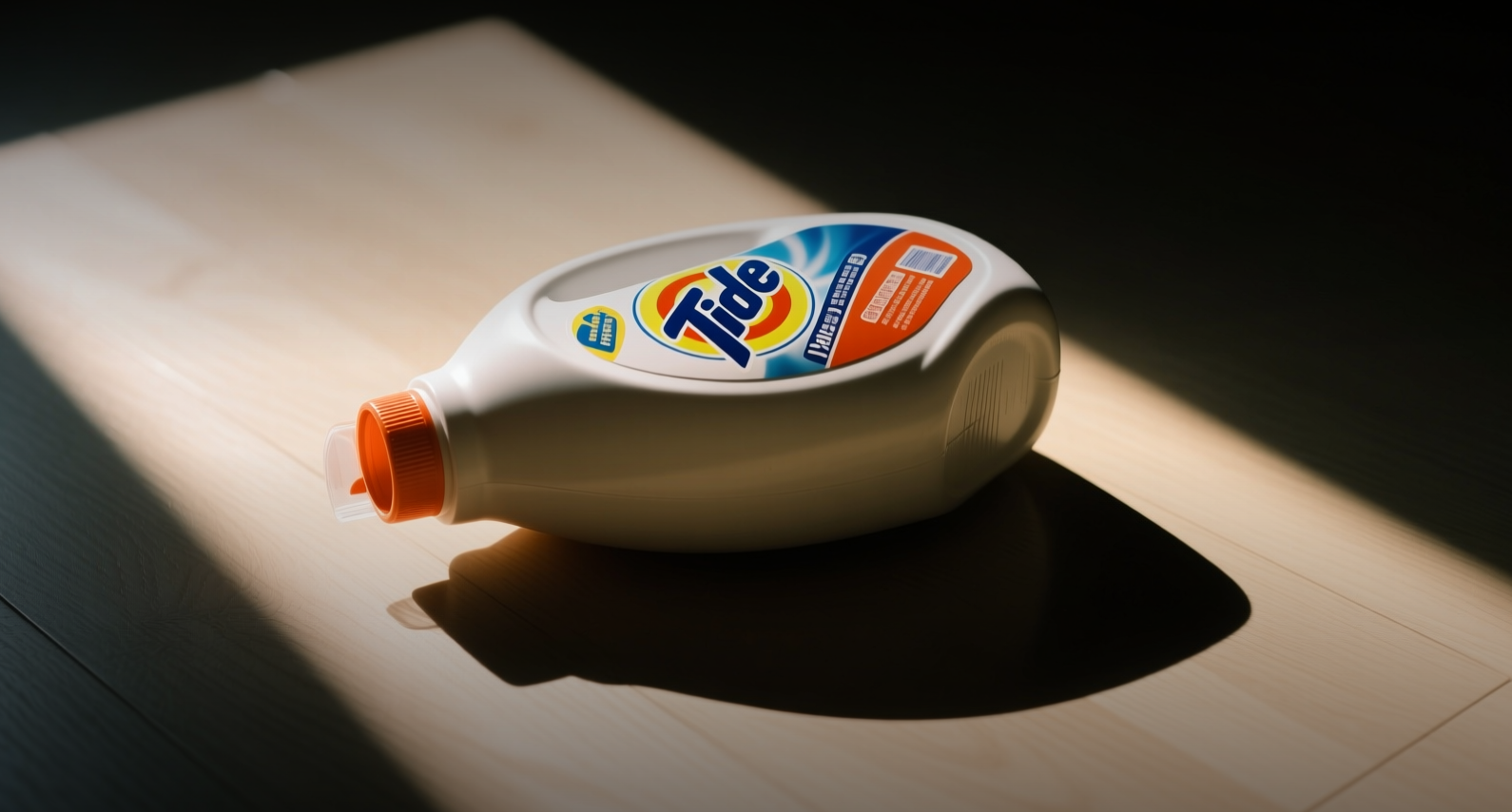
Procter & Gamble reported Q4 revenue of $21.20 billion, missing estimates, and forecast muted 2027 growth as inflation-squeezed consumers traded down. "Fiscal 2026 was a year of foundation building," Chief Executive Officer Shailesh Jejurikar, who took the helm in January, said in a statement. The company is navigating a "very challenging geopolitical and economic environment," he said. P&G also named Jejurikar chairman from Aug. 1, with former CEO Jon Moeller retiring Aug. 14. Adjusted earnings of $1.43 a share in the quarter ended June narrowly beat the $1.41 consensus, according to data compiled by LSEG. Net sales rose 1.5% from a year earlier to $21.20 billion but missed the $21.38 billion analysts had expected. Organic volumes were flat, with declines in three of five segments. The beauty category, which includes premium hair care and personal care products, was a bright spot with volumes rising 3% even as prices remained broadly unchanged. Grooming and oral care were among the weaker categories. The muted outlook shows management expects consumer pressure to persist. The Tide and Bounty maker forecast total net sales growth of 1% to 3% for fiscal 2027, with the midpoint slightly below the 2.7% analysts had expected. Adjusted earnings are seen in a range of $6.89 to $7.11 a share, also narrowly trailing the $7.04 consensus. Core operating margin contracted 130 basis points, its third straight quarterly decline, as the company increased investment in marketing and promotions to defend market share. P&G reported flat prices for the first time since December 2024, suggesting limited room to pass on higher costs. Higher raw material, energy and transportation costs tied to surging oil prices are expected to reduce profit by about $1 billion in fiscal 2027, the company said. A P&G spokesperson said there was uncertainty around how long elevated costs would persist. P&G shares fell about 3% in premarket trading on Wednesday. The stock has lagged the broader Consumer Staples index this year as the spending environment remains volatile. Rival Unilever last week posted its best quarter by volumes in over a decade as it shifts focus to beauty and wellness, while PepsiCo has also flagged higher input costs in the back half of the year. Higher food and gas prices and several quarters of sticky inflation have forced lower-income consumers to tighten spending and seek cheaper alternatives for pantry staples, the company noted. The 10-year Treasury yield sits at 4.6%, while core PCE continues to climb, adding to pressure on household budgets. P&G has raised its quarterly dividend from $1.0065 in early 2025 to $1.0885 in mid-2026, bringing the annual payout to $4.227 a share for a yield of about 2.9%. The company has increased its dividend for 69 consecutive years. The muted forecast shows management sees no near-term relief from consumer spending pressure. Investors will watch the company's fiscal first-quarter results for signs of whether increased marketing spending is stabilizing market share. This article is for informational purposes only and does not constitute investment advice.

Jul 29 2026, 11:33
Trump's $858 million portfolio ties 4 Wall Street firms to his accounts
**Four Wall Street firms — JPMorgan Chase, Charles Schwab, UBS and Stephens Inc. — have been identified managing at least four of President Donald Trump's eight investment accounts, according to an analysis of his 2025 annual financial disclosure.** CNBC linked the financial institutions to Trump's portfolio by analyzing firm-specific funds, deposit programs and credit arrangements outlined in the disclosure, which showed at least $858 million in assets and more than 21,000 trades across the eight accounts in 2025. "The disclosure reveals a complex web of relationships between the president and major financial institutions that goes well beyond simple brokerage accounts," said Hannah Park, a former credit analyst at Moody's. "Each firm appears to handle distinct portions of the portfolio through specialized vehicles." The eight accounts collectively held assets ranging from $858 million to as much as $1.7 billion, given the disclosure's broad reporting ranges. The 21,000-plus trades executed in 2025 reflect an actively managed portfolio spread across multiple custodians and strategies. JPMorgan Chase, the largest U.S. bank by assets, and Charles Schwab, the dominant retail brokerage, each maintain multiple accounts linked to Trump, while UBS and regional investment bank Stephens Inc. round out the network. **Why the disclosure matters for the firms involved** For the four institutions, managing assets for a sitting president carries unique reputational and compliance risks. JPMorgan, with $3.9 trillion in assets under management as of mid-2026, and Schwab, with $9.5 trillion in client assets, are accustomed to high-net-worth relationships. But the Trump portfolio introduces heightened scrutiny around potential conflicts of interest, given the president's ability to influence financial regulation, tax policy and trade agreements that directly affect bank profitability. The disclosure does not specify which accounts are discretionary versus non-discretionary, nor does it detail fee arrangements. However, the presence of firm-specific funds and credit arrangements suggests some accounts involve active portfolio management rather than passive custody alone. **A portfolio built for diversification and liquidity** The 21,000 trades across eight accounts in a single year implies a turnover rate far above the typical high-net-worth portfolio, which averages 10 to 30 trades annually per account for most wealthy individuals, according to industry data. The high trade count may reflect multiple strategies running in parallel — perhaps a mix of separately managed accounts, direct equity holdings, fixed-income ladders and alternative investments. The $858 million minimum valuation places Trump among the wealthiest U.S. presidents in history, though the bulk of his net worth remains tied to his real estate and licensing businesses rather than liquid financial assets. The disclosure filing, required under the Ethics in Government Act, offers the most detailed public window yet into how a sitting president allocates personal wealth across Wall Street's largest intermediaries. This article is for informational purposes only and does not constitute investment advice.