Edgen AI operates independently of, and is not controlled by Aspen Digital Financial Limited.
FCC votes to ban Chinese hardware devices, closing 4-year loophole
 Edgen Stock·Jul 23 2026, 03:57
Share to
Share to
Copy link

[1] US FCC Votes to Ban Sale of Key Hardware Devices from CN Firms (https://www.aastocks.com/en/stocks/news/aafn- ...)[2] FCC votes to bar sales of devices with parts from Chinese firms posing risks (https://www.yahoo.com/news/politics/articles/ ...)[3] Lebanese Americans eager to visit ancestral homeland via direct flight for 1st time in decades (https://www.yahoo.com/news/videos/lebanese-am ...)[4] Extreme Heat Warning in effect for feels-like temperatures up to 115 degrees | July 22 Forecast (https://www.yahoo.com/news/videos/extreme-hea ...)[5] AI program allows Metro East man to speak for the first time in a decade (https://www.yahoo.com/news/videos/ai-program- ...)
Related News

Jul 23 2026, 05:41
Hyundai Motor Q2 profit falls 21% to $1.98B, missing estimates
Hyundai Motor reported a 21% drop in second-quarter operating profit to 2.9 trillion won, missing analyst estimates. "Macroeconomic uncertainty will persist and competition in the industry will be tougher," Hyundai Motor said in its earnings release. Revenue rose 2% from a year earlier to 49.2 trillion won. Analysts surveyed by LSEG had expected operating profit of 3.2 trillion won, meaning the automaker missed by about 300 billion won. The weaker won provided some support, but weaker vehicle sales, production disruptions and higher costs weighed on results. Shares of Hyundai Motor rose 2% after the announcement. The weak performance shows wider challenges facing the auto industry as carmakers contend with rising energy and raw material costs as well as supply chain disruptions linked to U.S. tariffs and conflict in the Middle East. Hyundai, which together with affiliate Kia Corp is the world's third-biggest automaking group by sales, posted operating profit of 2.9 trillion won ($1.98 billion) for the April-June period, compared with 3.6 trillion won a year earlier. The LSEG SmartEstimate, weighted toward analysts who are more consistently accurate, stood at 3.2 trillion won. The company did not disclose vehicle delivery numbers or earnings per share. The earnings miss signals that cost pressures and demand headwinds are intensifying for global automakers. Investors will watch Hyundai's second-half delivery data and any updates on its EV production plans for signs of a recovery. This article is for informational purposes only and does not constitute investment advice.

Jul 23 2026, 05:39
Thales order intake jumps 21% to €12.47B as defence spending surges
Thales reported H1 order intake of €12.47 billion, up 21% and far exceeding analysts' 1% growth forecast. "Defence contributes significantly to this growth," Chief Executive Officer Patrice Caine said. Organic sales at Europe's largest defence electronics group rose 7.8% to €10.95 billion, in line with a company-provided consensus. Defence, which generates more than half of group revenue, grew 13.1%. Adjusted EBIT increased 11.4% to €1.37 billion, including a €450 million charge from Germany's cancellation of a program for six F126 frigates. Thales did not disclose per-share earnings. The results show surging demand for European military equipment as conflicts around the world drive government spending higher. Thales raised its book-to-bill ratio target to 1.1 from 1.0, implying order intake will exceed revenue by 10 percent this year. It maintained guidance for 6 percent to 7 percent organic sales growth and an adjusted EBIT margin between 12.6 percent and 12.8 percent. The company booked 18 orders worth more than €100 million each during the period, easily surpassing last year's intake. The strong performance mirrors trends across European defence contractors including Leonardo and Dassault Aviation, which have also reported rising order backlogs as NATO members boost military budgets in response to heightened geopolitical tensions. European defence stocks have rallied over the past year as governments across the continent commit to higher military spending. Thales, with its portfolio spanning radar, avionics, and secure communications, is among the key beneficiaries alongside Rheinmetall and BAE Systems. Thales is pressing ahead with a planned satellite joint venture with Airbus and Leonardo, expected to close in 2027 pending EU antitrust approval. The deal, which aims to create a European space champion, faces opposition from German satellite maker OHB. Thales also announced plans to acquire naval drone company Exail for about €3.9 billion to strengthen its position in underwater warfare. Finance Chief Jeremie Papin said the transaction should conclude by the second half of 2027. The order surge shows sustained demand for Thales's surveillance and defence systems across multiple theatres. Investors will watch for updates on the Exail acquisition and satellite venture as both deals face regulatory scrutiny, with the satellite joint venture requiring clearance from EU competition authorities. The company's ability to execute on these strategic initiatives will determine whether it can sustain its growth trajectory beyond the current ordering cycle. This article is for informational purposes only and does not constitute investment advice.
Jul 23 2026, 05:37
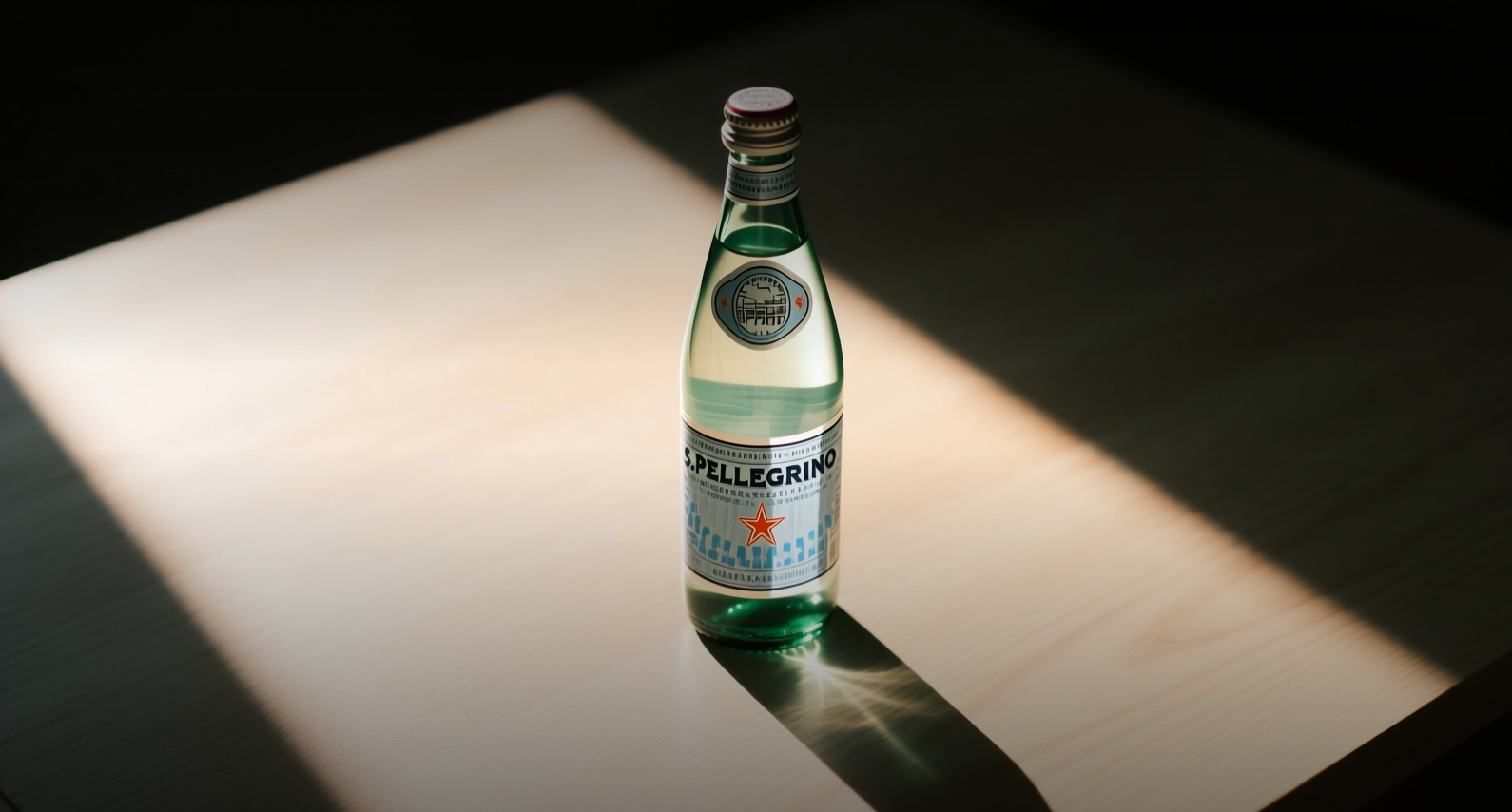
Nestlé and Platinum Equity create Peranel in $5.6B water JV
Nestlé struck a $5.6 billion joint venture with Platinum Equity to carve out its waters and premium beverages unit, betting a standalone structure can accelerate growth in a category shaped by health and wellness trends. "By partnering with Platinum Equity, Peranel will be better positioned to execute its strategy with enhanced agility," said Philipp Navratil, chief executive officer of Nestlé. The 50/50 venture, named Peranel, will house more than 30 brands sold across 120 countries, including S.Pellegrino, Source Perrier, Acqua Panna and Nestlé Pure Life. The business carries an enterprise value of EUR 4.9 billion, with Nestlé expecting cash proceeds of about EUR 3 billion at closing. The transaction is subject to employee consultations and regulatory approvals, with completion targeted by the first half of 2027. The carve-out allows Nestlé to streamline its portfolio while giving Peranel independent investment capacity in innovation and marketing. For Platinum Equity, the deal marks its largest European investment and a bet that focused management can extract more value from a collection of brands that already command premium positioning in the global bottled water market, valued at more than $300 billion. Muriel Lienau, a three-decade Nestlé veteran who currently leads the waters business, will serve as Peranel's chief executive officer. The company will be headquartered in Paris and retain an in-house research and development team that has launched approximately 120 products since 2022, with a pipeline of new offerings in development. Platinum Equity brings three decades of experience managing corporate divestitures and supporting standalone companies. The firm has executed similar partnerships with Ball Corporation, Caterpillar, Danone, Emerson Electric, Ingersoll Rand, Kohler and Telstra. With about $48 billion in assets under management, the firm's M&A&O strategy — mergers, acquisitions and operations — will be applied to sharpen Peranel's portfolio and pursue bolt-on acquisitions. **Deal Structure and Advisors** Bank of America served as financial adviser to Platinum Equity, while Latham & Watkins LLP provided legal counsel. Nestlé was advised by Rothschild, which Reuters reported in May 2025 had been hired to explore a partnership or sale of a stake in the European water business. The transaction comes as Nestlé reshapes its portfolio under Navratil, who has prioritized core brands and margin improvement. The company separately reported second-quarter organic sales growth of 3.7%, slightly above the 3.6% consensus estimate, and raised its full-year organic sales guidance to 3% to 4% from about 3%. **What's at Stake** For Platinum Equity, the Peranel joint venture represents a cornerstone investment in Europe, where the firm now holds a dozen portfolio companies across the UK, Germany, Italy, France, the Netherlands and Spain. Co-President Louis Samson described the deal as a demonstration of the firm's ability to execute large, complex transactions in the region. The water category faces structural tailwinds from rising health consciousness and premiumization trends, but also challenges including regulatory scrutiny of plastic packaging and water sourcing rights. Peranel's independence gives it the flexibility to address these issues with dedicated investment, while Nestlé retains a 50% stake and continues to benefit from the business's performance. *This article is for informational purposes only and does not constitute investment advice.*