Edgen AI operates independently of, and is not controlled by Aspen Digital Financial Limited.
EUR/USD climbs to 1.1429 as dollar weakens on Fed uncertainty
 Edgen Stock·Jul 23 2026, 11:16
Share to
Share to
Copy link

[1] EUR/USD Recovers as Dollar Weakens (https://www.actionforex.com/contributors/tech ...)[2] Euro heads for one-week high ahead of ECB policy decision (https://www.msn.com/en-us/money/markets/euro- ...)[3] US Dollar mid-year outlook: Exceptional currency, exceptional risks? | FXStreet (https://www.fxstreet.com/analysis/us-dollar-m ...)[4] The Biggest Mistakes Tourists Make When Visiting Mexico In 2026 (https://travel.yahoo.com/advice/safety/articl ...)[5] Dollar eases as focus turns to Fed’s meeting (https://www.msn.com/en-us/money/markets/dolla ...)
Related News

Jul 23 2026, 13:05
Cleveland-Cliffs narrows Q2 loss to 20 cents, tops revenue estimates
Cleveland-Cliffs posted a second-quarter loss of 20 cents per share, narrower than the 21-cent loss analysts had projected and a sharp improvement from the 50-cent loss a year earlier. The steelmaker's per-share loss improved by 60 percent from the year-ago period, the company said July 23. Revenue topped analyst estimates, though Cleveland-Cliffs did not disclose the exact figure. The results mark the company's second consecutive quarter of narrowing losses as cost-cutting initiatives and operational efficiencies take hold across its steelmaking and mining operations. | Metric | Actual | Consensus | Beat/Miss | |--------|--------|-----------|-----------| | EPS | -$0.20 | -$0.21 | +$0.01 | | Revenue | Not disclosed | Topped estimates | — | The narrower loss comes as the steel sector contends with elevated import levels and uneven demand across key end markets. Automotive production, a major demand driver for flat-rolled steel, has shown mixed signals in recent months, while construction activity remains subdued in certain regions. Cleveland-Cliffs, the largest flat-rolled steel producer in North America, has focused on cost management through operational efficiencies while facing persistent pricing pressure in the spot market. Rival steelmakers including Nucor Corp. and Steel Dynamics Inc. face similar headwinds from global oversupply and softer demand. Nucor, which reports quarterly results later this month, has also flagged pricing challenges in its most recent commentary. The broader steel sector has been under pressure as import volumes remain elevated, particularly from Asian markets where excess production capacity continues to weigh on global prices. Cleveland-Cliffs operates iron ore mines and steelmaking facilities across the United States, giving it vertical integration advantages that help buffer margin compression. The company has been working to optimize its production footprint and reduce costs across its operations, including its blast furnace and electric arc furnace facilities. The company's ability to supply its own iron ore reduces exposure to raw material price volatility, a key advantage over competitors that rely on external suppliers. The results suggest that Cleveland-Cliffs' cost-cutting measures and operational improvements are gaining traction, even as the company remains in a loss position. The narrower-than-expected loss could provide a modest positive signal for the stock in the near term, though the company's path to profitability depends on steel pricing trends and demand recovery. Investors will watch for steel pricing trends and demand commentary from management in the coming quarters to assess the timeline for a potential return to profitability. This article is for informational purposes only and does not constitute investment advice.
Jul 23 2026, 13:00
SpaceX targets Starship Flight 13 as stock trades below $135 IPO price
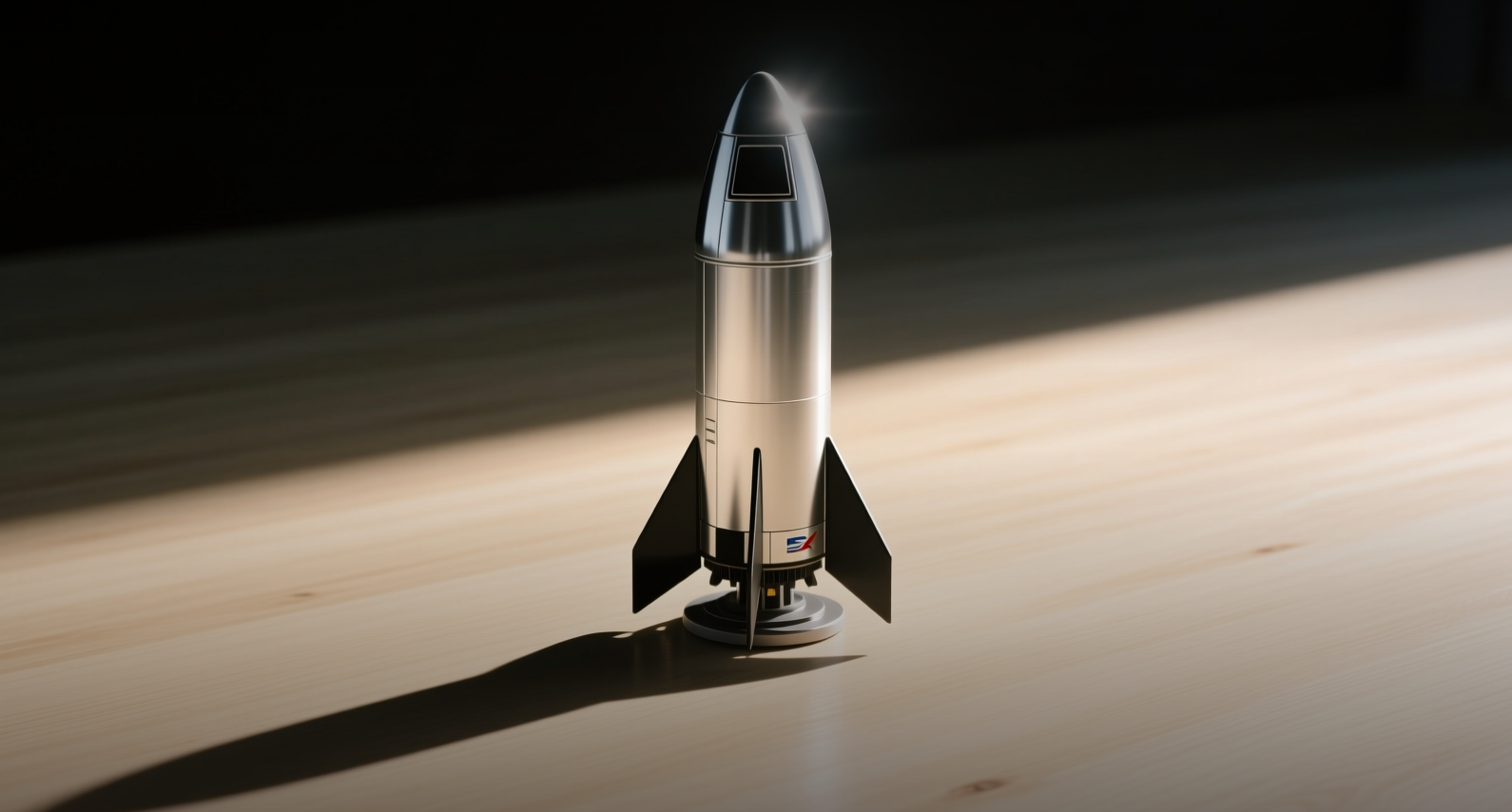
**SpaceX's 13th Starship test flight on July 23 carries more than a rocket — it carries the weight of a stock trading below its IPO price and a $28.5 trillion addressable market thesis.** SpaceX is set to launch the 13th test flight of its Starship megarocket on July 23, a mission that could determine whether the company's stock can recover from trading below its $135 initial public offering price. The company completed the largest IPO in history earlier this year, but shares have since fallen under pressure as delays in the Starship timetable weighed on investor sentiment. "The booster's primary test objective will be executing a successful launch, ascent, stage separation, boostback burn, and landing burn at an offshore landing point in the Gulf of America," SpaceX said in a statement, noting several hardware and software modifications since the previous flight. The company will livestream the attempt via its website. The test comes as SpaceX faces mounting competition in the heavy-lift launch market. Blue Origin, Rocket Lab and Relativity Space are all pursuing their own rocket systems, while government entities including China's CNSA and India's ISRO have active development programs. SpaceX maintains a cost advantage through vertical integration — it designs, builds and tests nearly all major hardware components in-house, minimizing supplier dependence. Starship's commercial success is central to unlocking the largest portion of SpaceX's claimed $28.5 trillion total addressable market. The company attributes $26.5 trillion of that opportunity to AI infrastructure, including orbital data centers that could operate on solar energy with lower ambient cooling costs. A fully operational Starship would dramatically improve the economics of getting these systems into space. The rocket also supports SpaceX's Starlink internet service, which the company values at $1.6 trillion of its TAM. Starship would increase the number of satellites SpaceX can deploy per launch while reducing per-unit costs. By contrast, the company assigns just $370 billion to what it calls "space-enabled solutions" — the direct revenue from commercializing Starship launches themselves. "We believe we have identified the largest actionable total addressable market in human history," SpaceX said in its IPO prospectus. "We estimate that our quantifiable TAM is $28.5 trillion." A successful Flight 13 would clear a path toward Starship's full commercialization, putting SpaceX ahead of competitors in both technology and launch economics. A failure, however, risks further pressure on a stock already trading below its debut price. Rocket Lab's Neutron rocket, initially planned for a late 2024 launch, remains in development — a reminder that delays are standard in the industry. SpaceX shares, trading below the $135 IPO level, reflect a market that has yet to price in Starship's long-term optionality. If the test flight succeeds, the stock could re-rate as investors refocus on the $26.5 trillion AI opportunity that only Starship can unlock at scale. This article is for informational purposes only and does not constitute investment advice.
Jul 23 2026, 12:58
SpaceX sinks 49% to $115 as $100 test looms
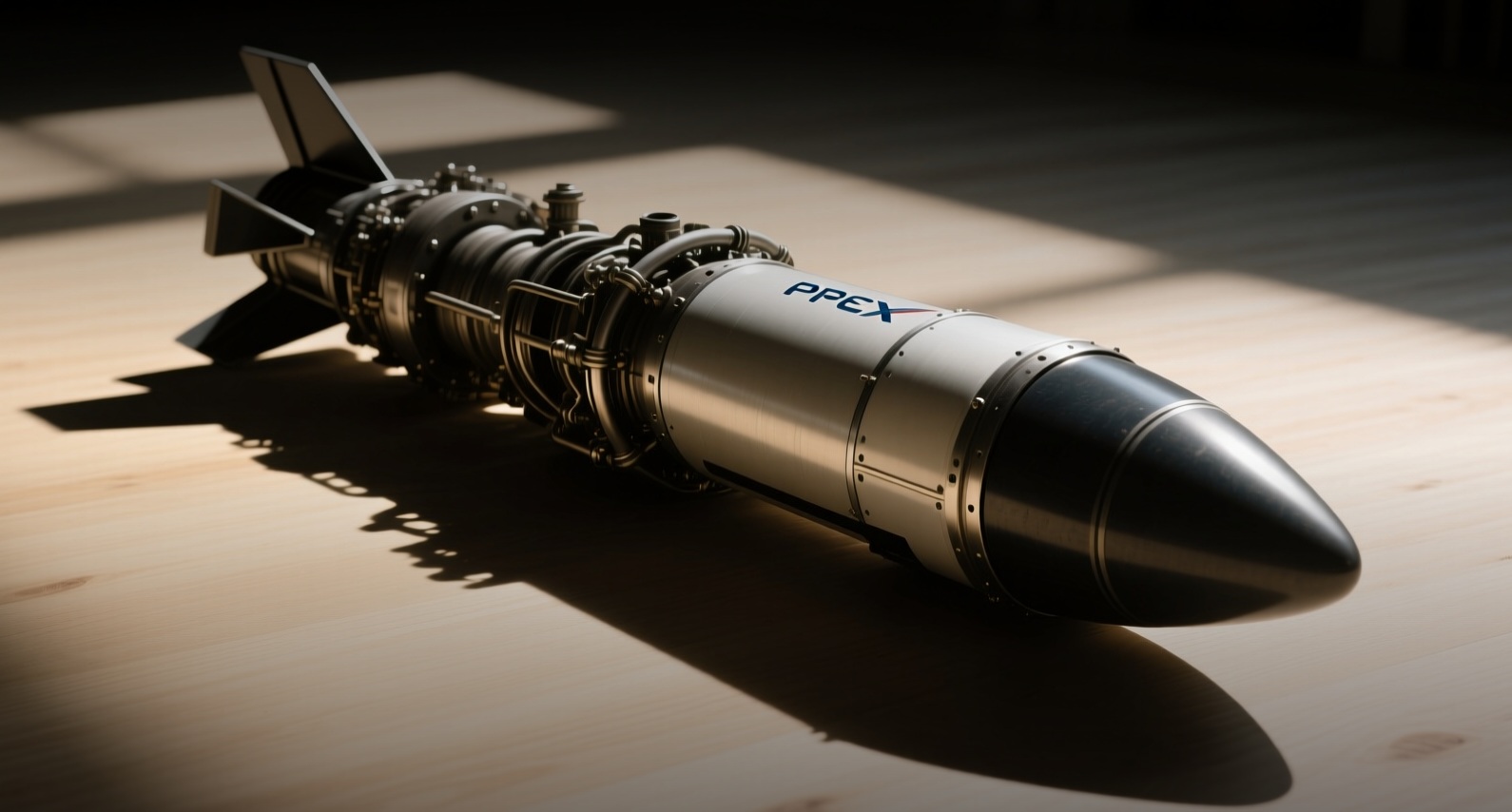
SpaceX (NASDAQ: SPCX) fell to $115.26 at the July 23 close, down 49% from its $225.64 all-time high and trading roughly $20 below the $135 initial public offering price from June. The decline has wiped out roughly $140 billion in market value from the peak, according to Bloomberg calculations. "The stock was priced for perfection, and now the market is repricing that risk," said Daniel Sparks, a markets columnist at The Motley Fool. "Even at $124, shares traded at more than 80 times trailing sales for a business losing billions of dollars a year." Short sellers have piled into the decline. Bearish bets climbed to about 185 million shares, or 29% of the tradable float, up from roughly 40 million shares three weeks earlier, representing close to $25 billion in wagers against the stock. Short sellers already hold an estimated $8.7 billion in paper profits, according to data cited by BeInCrypto. The rapid buildup followed SpaceX's historic Nasdaq debut, which briefly pushed the stock above $200 before the reversal. The selloff reflects mounting pressure on multiple fronts. SpaceX priced $25 billion in senior notes in late June at rates from 5.35% to 6.65%, a reminder of the heavy capital requirements tied to Elon Musk's AI ambitions after folding xAI and X into the company ahead of the IPO. A broader AI stock selloff this month has compounded the headwind for any company priced on AI growth expectations. The company also scrubbed a Starship test flight this week after several Raptor engines failed to ignite at T-minus zero, with Musk saying two engines need replacement. **August Brings Earnings and Lockup Risks** SpaceX is expected to report its first quarterly earnings as a public company on or around Aug. 6. The company generated $18.7 billion in revenue in 2025 but lost $4.9 billion. Starlink remains the bright spot, contributing $3.3 billion of the $4.7 billion in first-quarter revenue and serving 10.3 million subscribers as of March. However, average revenue per user has declined from $99 in 2023 to $66 in the first quarter of 2026, suggesting growth is coming from subscriber additions rather than pricing power. Insider lockup expirations begin rolling off after the earnings report, allowing early shareholders to sell up to 20% of their stock starting on the second trading day after the release. An additional 10% can be sold if the stock trades at 30% or more above the IPO price for at least five of the 10 trading days before earnings — a scenario that appears unlikely at current levels. **Technical Levels and Musk's Long-Term Bet** A technical falling wedge pattern identified by some analysts points to a possible rebound toward $158, but the stock would need to hold above $115 to avoid a test of the $100 level. A break below that psychological threshold would represent a decline of more than 55% from the all-time high, potentially triggering further selling pressure and margin calls across the space and defense investment sector. Elon Musk has dismissed the selloff, predicting on X that SpaceX will eventually outvalue all material wealth on Earth — a claim he estimates at roughly $600 trillion. The forecast, however, offers no timeline and hinges on goals the company has never specified. Musk separately argued that the scarcity of goods and services will eventually disappear, reflecting his broader worldview on abundance. This article is for informational purposes only and does not constitute investment advice.