Edgen AI operates independently of, and is not controlled by Aspen Digital Financial Limited.
Cimpress misses Q4 estimates as revenue falls 2% short of consensus
 Edgen Stock·Jul 30 2026, 17:24
Share to
Share to
Copy link


Related News

Jul 30 2026, 18:18
Pulmonx beats Q2 EPS estimates by 16% on Zephyr valve sales
Pulmonx Corp. beat Q2 earnings estimates by 16% as the Zephyr endobronchial valve maker reported a narrower-than-expected loss of $0.24 a share. "We continue to see strong adoption of Zephyr valves as physicians expand their emphysema treatment programs," Chief Executive Officer Glen French said in the earnings release. Revenue reached $22.76 million for the three months ended June 30, slightly below the $22.85 million consensus estimate. The company narrowed its net loss to $0.24 per share from $0.29 a year earlier, beating the average analyst estimate of -$0.29 compiled by Bloomberg. The 16% improvement in per-share loss came as the company held operating expenses relatively flat while growing revenue by roughly 8% year over year. The Zephyr endobronchial valve is a minimally invasive implant that blocks hyperinflated lung segments in patients with severe emphysema or chronic obstructive pulmonary disease, allowing healthier portions of the lung to function more effectively. The device received FDA pre-market approval in 2018 based on the LIBERATE study, which showed significant improvements in lung function and exercise tolerance compared to standard medical therapy. Since commercial launch, more than 100,000 Zephyr valves have been implanted worldwide across more than 500 treatment centers. Pulmonx competes with Olympus Corp.'s Spiration Valve System, which received FDA 510(k) clearance, as well as traditional surgical lung volume reduction procedures that carry higher morbidity rates and longer recovery times. The company's competitive advantage lies in its proprietary Chartis Pulmonary Assessment System, which helps physicians identify suitable candidates for valve therapy — a critical step that determines clinical outcomes. Pulmonx ended the quarter with approximately $60 million in cash and equivalents, giving the company a runway into 2027 without requiring near-term capital raises. The company trades at roughly 2.5 times trailing revenue, a significant discount to the broader medical device sector's average multiple of about 5 times, reflecting investor skepticism about the timeline to profitability. Shares have declined approximately 40% over the past 12 months, valuing the company at around $150 million. The Q2 results suggest the Zephyr valve's adoption trajectory remains intact as the company works toward operating breakeven. Investors will be watching for procedure volume data and any updates on Pulmonx's international expansion, particularly in Japan and China, where COPD prevalence is high and the Zephyr valve has received regulatory clearance. The company faces the challenge of convincing more pulmonologists to adopt the technology, a process that requires both clinical education and reimbursement support from insurers. For now, the narrower loss and steady revenue growth provide a foundation for that expansion story. This article is for informational purposes only and does not constitute investment advice.
Jul 30 2026, 18:15
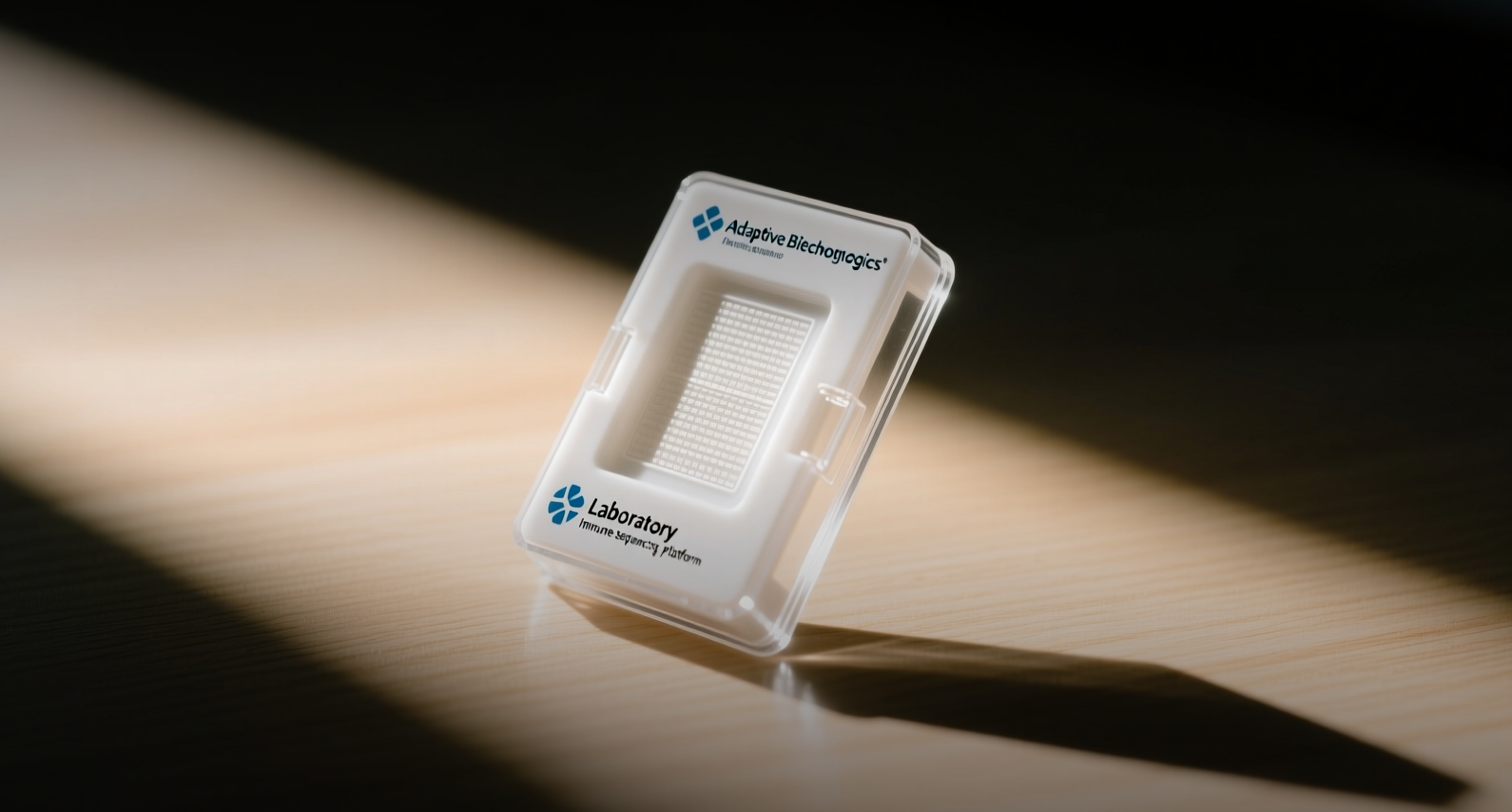
Adaptive Biotechnologies beats Q2 estimates with $71.6M revenue, narrower loss
Adaptive Biotechnologies Corp. reported second-quarter revenue of $71.6 million, beating the $67.2 million consensus estimate, while its per-share loss narrowed more than expected as the immune sequencing company showed progress in its commercial execution. "The strong revenue performance reflects continued adoption of our clonoSEQ and T-Detect platforms across both pharma and clinical channels," Chief Executive Officer Chad Robins said in a statement. Revenue rose from the year-ago period, with the company reporting an adjusted loss of 10 cents a share, narrower than the 13.6-cent loss analysts had projected. The beat was driven by higher-than-expected sales in the company's immune medicine segment, which includes its minimal residual disease testing and drug discovery partnerships. Adaptive Biotechnologies, which uses its immune sequencing platform to develop diagnostics and therapies, has been working to expand the commercial footprint of clonoSEQ, its FDA-cleared test for monitoring minimal residual disease in multiple myeloma and B-cell acute lymphoblastic leukemia patients. The company has also been advancing partnerships with pharmaceutical companies for its T-cell receptor-based drug discovery platform. The narrower loss and revenue beat come as the company continues to manage operating expenses while scaling its commercial organization. Adaptive has been investing in sales infrastructure to drive adoption of its clinical tests among oncologists and hematologists. The results signal that Adaptive's commercial strategy is gaining traction as it pushes toward profitability. Investors will watch the company's Q3 earnings call for updates on clonoSEQ test volume trends and any new pharma partnership announcements. This article is for informational purposes only and does not constitute investment advice.

Jul 30 2026, 18:11
Aware posts Q2 loss of 12 cents on $3.3 million revenue
Aware Inc. reported a Q2 loss of 12 cents a share on revenue of $3.25 million, the biometrics and identity company said July 29. The company did not disclose consensus estimates for the period, leaving investors without a beat-or-miss comparison. Aware also declined to provide forward revenue or earnings guidance for the coming quarters. The $3.25 million in revenue reflects Aware's core biometrics business, which supplies fingerprint, face and iris recognition systems to government agencies and commercial clients. The company's software platform, known as AwareABIS, is used by law enforcement and border control agencies across multiple countries. Aware has been shifting toward cloud-based identity platforms, a transition that carries upfront development costs but offers recurring subscription revenue over time. The loss of 12 cents per share reflects continued investment in research and development as well as sales expansion. Aware ended the quarter with cash on hand, though a specific balance was not disclosed. The company's operating expenses have risen as it builds out its cloud infrastructure and hires engineering talent for its next-generation identity platform. Aware competes with larger players in the biometrics space, including IDEMIA and Thales Group, which have broader product portfolios and deeper resources. Without guidance or consensus data, the Q2 report offers limited directional insight for holders. Aware's next catalyst will be its Q3 filing, which will show whether the cloud transition is gaining traction and whether the company can narrow its losses. This article is for informational purposes only and does not constitute investment advice.