Edgen AI operates independently of, and is not controlled by Aspen Digital Financial Limited.
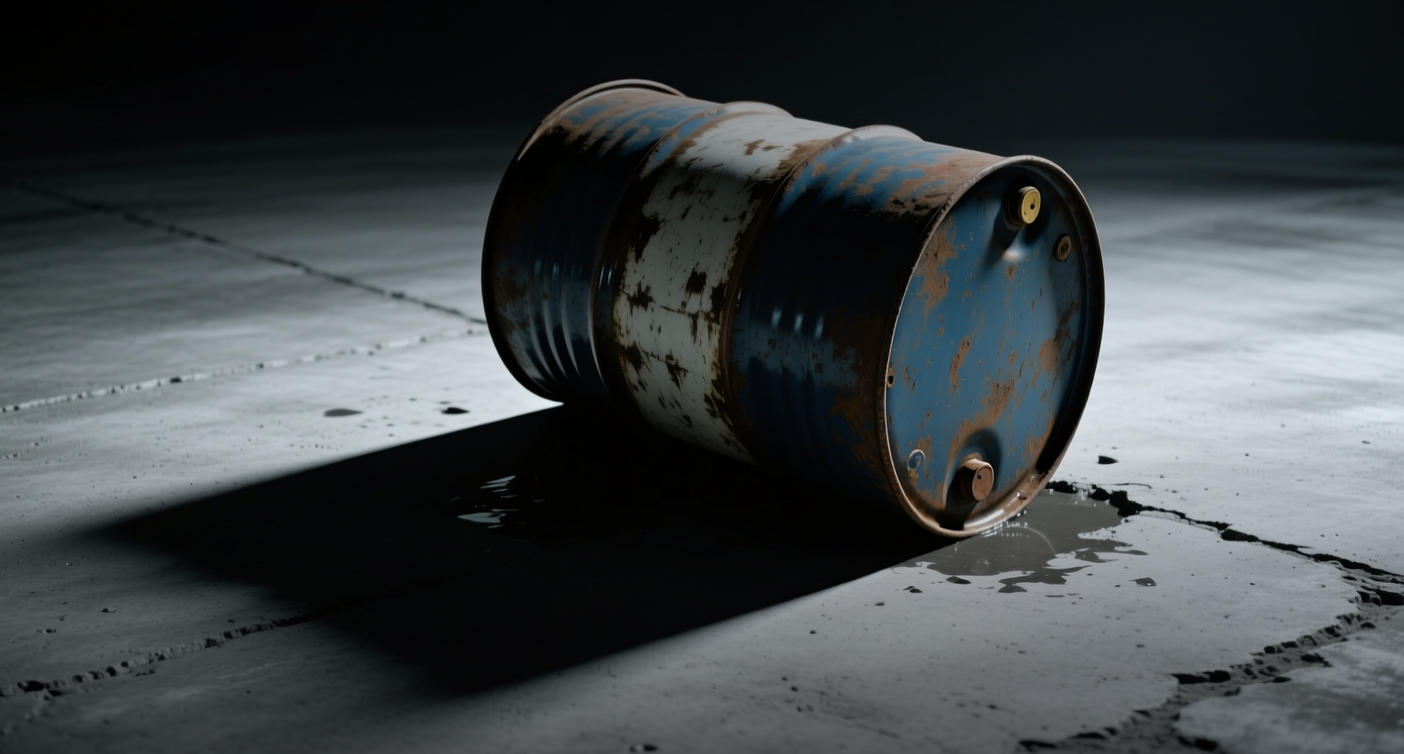
Strait of Hormuz blockade reshapes global energy flows as buffers dwindle
 Edgen Stock·Jul 18 2026, 14:06
Share to
Share to
Copy link
[1] Iran Standoff Reshapes Global Energy Flows (https://www.youtube.com/watch?v=Q5i62K6GpZ8 ...)[2] The U.S.-Iran battle over the Strait of Hormuz raises risks for global waterways (https://www.npr.org/2026/07/17/nx-s1-5884849/ ...)[3] Does control of the Strait of Hormuz set a worldwide precedent? (https://www.npr.org/2026/07/17/nx-s1-5898437/ ...)[4] Global energy security at risk if Strait of Hormuz does not open in weeks, IEA... (https://bworldonline.com/world/2026/07/17/764 ...)[5] Will Iran Target Another Maritime Chokepoint? The Bab El-Mandeb Strait Is Under... (https://www.yahoo.com/news/world/articles/ira ...)
Related News
Jul 18 2026, 16:10
Allianz Q2 revenue beats $2.8B estimate as EPS narrowly misses
Allianz SE reported second-quarter revenue of $2.8 billion, edging past consensus estimates, while earnings per share came in slightly below expectations. "Revenue growth was supported by broad-based strength across our property-casualty and asset management segments," the company said in its earnings statement. Revenue reached $2.803 billion in the three months ended June 30, compared with the $2.798 billion average analyst estimate, a beat of roughly $4.8 million. Earnings per share came in at $2.43, missing the $2.4466 consensus by about 1.7 cents. The mixed results come as Allianz navigates a competitive European insurance market where pricing pressure and investment income volatility remain key factors. The company's property-casualty segment, its largest revenue driver, has benefited from premium growth across multiple geographies, while asset management fees have tracked broader market performance. Allianz did not provide specific guidance for the second half of 2026 in its Q2 release. The company's combined ratio and written premium figures for the quarter were not yet disclosed. The slight EPS miss may temper near-term expectations for margin expansion, though the revenue beat signals continued demand for Allianz's insurance and asset management products. Investors will watch the company's half-year report for updated segment-level profitability metrics and any changes to its full-year outlook. This article is for informational purposes only and does not constitute investment advice.

Jul 18 2026, 16:08
ExxonMobil eyes $5 billion Q2 profit boost from rising oil prices
**ExxonMobil's second-quarter earnings could get a $5 billion tailwind from the surge in crude prices triggered by the Middle East conflict.** The Irving, Texas-based energy giant said its second-quarter results will reflect the full impact of the oil price spike that followed the outbreak of the Middle East conflict late in the first quarter, with some estimates pegging the profit boost at as much as $5 billion. "The second-quarter benefit could be huge, but at this point it is hard to get a read on what that might mean for the third quarter," the company said in its pre-earnings update, cautioning that oil prices have already fallen materially from their peak levels. WTI crude traded near $74 a barrel in mid-July, down from conflict-driven highs above $80, after the US and Iran reached a tentative deal on June 15. The agreement sent oil prices lower and stocks higher globally, though energy experts warned that oil and gas supplies could take months to return to normal. Exxon's debt-to-equity ratio stands at roughly 0.2 times, giving it one of the strongest balance sheets among its peers. The $5 billion swing underscores the volatility inherent in energy investing. Exxon has delivered decades of annual dividend increases and maintained a through-the-cycle approach, but the third-quarter outlook remains uncertain as ceasefire talks stall and the Strait of Hormuz shipping channel faces continued disruption. **Oil Prices and the Earnings Impact** The geopolitical conflict that erupted late in the first quarter sent crude prices rocketing higher, but the financial benefit was minimal in that period. The second quarter captures the bulk of the impact, with Exxon's pre-earnings update designed to help Wall Street model the potential outcome. The company's disclosure is unusual — a sign that these are not normal times in the energy sector. Exxon has been clear that it does not believe oil prices fully reflect the fundamentals of the energy market, even after the pullback from peak levels. That suggests prices could rise again, even if the conflict were to end — which appears unlikely in the near term. US gasoline prices fell below $4 a gallon in June for the first time since March, though they remain 25% higher than a year earlier, according to data from the American Automobile Association. **A Balance Sheet Built for Volatility** With a debt-to-equity ratio of roughly 0.2 times and a track record of annual dividend increases spanning decades, Exxon is built to withstand the industry's boom-and-bust cycles. The company's financial strength means it can maintain shareholder returns even when oil prices fall. But the current quarter's potential windfall should not be the primary driver of an investment decision, the company has signaled. The Supreme Court on June 23 also allowed Exxon to proceed with a lawsuit over Cuban property seized by Fidel Castro's government, adding another potential catalyst for the company's legal and financial outlook. Meanwhile, the broader energy sector has seen increased insider buying, with Vickers Stock Research reporting a sell/buy ratio of 0.3 for energy companies in late December, indicating more insider purchases than sales. This article is for informational purposes only and does not constitute investment advice.

Jul 18 2026, 16:06
US airstrike on Iran water plant cuts drinking water for 10,000
The US destroyed a desalination plant in southern Iran, cutting water to 10,000 people as its campaign against Tehran shifts to civilian infrastructure. The US military destroyed a seawater desalination plant in Iran's Hormozgan province, cutting drinking water to about 10,000 residents, as President Donald Trump's airstrike campaign escalates beyond military targets to infrastructure near the Strait of Hormuz. "The pumping station and all electrical transformers were completely destroyed, leaving 20 villages without any drinking water," said Abdolhamid Hamzehpour, chief executive of the Hormozgan Water and Wastewater Co., according to a government website post. The attack on the Bengi plant in Bandar-e Jask came during the sixth consecutive night of American strikes, which also hit bridges in Bandar Khamir — killing at least seven people — and destroyed a surveillance tower at Chabahar port after a third strike on the facility. Iranian officials said US attacks have killed more than 35 people and wounded over 300 since the campaign began. The strikes mark a significant escalation in a conflict that has already disrupted the Strait of Hormuz, through which about a fifth of the world's oil and natural gas once flowed. Week-to-week cargo shipments through the waterway dropped almost 25% at the start of July, according to maritime data firm Lloyd's List Intelligence, and the latest attacks risk further tightening Iran's chokehold on the strategic chokepoint. **Oil Markets Face Renewed Supply Risk** Brent crude prices are expected to spike as the conflict enters a more destructive phase. The US has reimposed a naval blockade on Iranian ports to halt crude oil shipments, with Central Command saying it redirected three commercial vessels trying to run the blockade, disabled one that did not comply and boarded another. Some oil shippers are now transiting the strait with their location devices turned off, while many are staying put, Lloyd's data show. A growing share of regional energy is being moved through pipelines, though not enough to offset the decline in shipping through the strait. Iran retaliated by launching missile attacks at US-allied nations across the region. Qatar, a key mediator that had been working with Pakistan to negotiate an end to the war, twice warned residents to take shelter as air defenses intercepted incoming missiles. Falling debris injured a child, Qatar's Interior Ministry said. Iran also targeted Bahrain and Kuwait following the latest round of American strikes. **Historical Precedent for Infrastructure Strikes** Trump had threatened in recent days to target Iranian power stations and bridges to compel Tehran to loosen its grip on the strait. The last time the US struck Iranian infrastructure at this scale was during the opening days of the conflict on Feb. 28, when Washington and Israel launched the initial campaign. That offensive prompted Tehran to effectively close the strait to commercial shipping, sending oil prices soaring and handing Iran major leverage in negotiations. An interim ceasefire agreed last month has since collapsed, with the region enduring days of back-and-forth attacks. Speaking in a primetime address, Trump insisted the campaign was succeeding. "We are likewise winning big in Iran, and you will see the fruits of that labor very, very shortly," he said. For investors, the conflict's trajectory now hinges on whether the US will continue targeting civilian infrastructure — a move that could deepen the humanitarian crisis and further destabilize global energy markets. Safe-haven assets including gold and the US dollar have seen inflows, while equity markets face pressure from the rising geopolitical risk premium. *This article is for informational purposes only and does not constitute investment advice.*