Edgen AI operates independently of, and is not controlled by Aspen Digital Financial Limited.
Samsung nears investment in Mistral at €20 billion valuation
 Edgen Stock·Jul 22 2026, 04:37
Share to
Share to
Copy link

[1] Samsung in talks to invest in Mistral at 20 billion euro valuation, FT reports (https://www.reuters.com/business/finance/sams ...)[2] Microsoft's multibillion-dollar Mistral deal gives regulated industries European alternative to US-controlled AI (https://www.digitimes.com/news/a20260722VL201 ...)[3] Microsoft to fund Mistral’s European AI expansion in multibillion-dollar deal (https://thenextweb.com/news/microsoft-fund-mi ...)[4] Samsung in talks to invest in Mistral at €20bn valuation (https://www.ft.com/content/67a5d255-c6e9-4269 ...)
Related News

Jul 22 2026, 06:09
CMA CGM slaps $165 emergency surcharge as Hormuz tensions escalate
**Renewed hostilities in the Strait of Hormuz are driving up global shipping costs, with CMA CGM imposing emergency fuel surcharges of as much as $165 per container starting Aug. 1.** CMA CGM will impose an emergency fuel surcharge of $65 to $165 per container from Aug. 1 after renewed hostilities in the Strait of Hormuz sent bunker costs surging, the French shipping line said Wednesday. "Following the renewed escalation of hostilities in the Strait of Hormuz over the past days, fuel prices have surged sharply again, reversing the easing observed in recent weeks," the company said in a notice posted on its website. "Bunker costs have significantly increased across all regions and trades, impacting the overall cost of ocean transportation." The surcharge will apply to all container types until further notice, the Marseille-based carrier said. The notice was dated Tuesday and distributed to media on Wednesday. CMA CGM is the world's third-largest container shipping line by capacity, operating more than 600 vessels across 420 ports globally. The Strait of Hormuz handles about 20% of the world's oil supply, making it the most critical maritime chokepoint for global energy markets. Any sustained disruption threatens not only crude prices but the entire logistics chain connecting Middle East producers to Asian and European refineries, with potential knock-on effects on consumer goods inflation. The escalation marks a sharp reversal from the relative easing in fuel costs seen in recent weeks, catching shippers and freight forwarders off guard. CMA CGM's move is likely to be followed by other carriers transiting the region, potentially triggering a broad-based increase in container freight rates across Asia-Europe and Asia-Middle East routes. **Oil markets price in widening risk premium** Brent crude extended gains Wednesday as traders assessed the supply risks from the Hormuz chokepoint. The last time a similar escalation threatened the strait — following Iran's seizure of commercial vessels in 2019 — oil prices spiked more than 15% over a two-week period while shipping insurance premiums for Gulf transits jumped fivefold. Container spot rates from Shanghai to Rotterdam surged 30% during that episode, according to Drewry Shipping data. The current crisis comes at a time when global supply chains are already under strain from Red Sea disruptions linked to Houthi attacks on commercial shipping, which have forced carriers to reroute around the Cape of Good Hope since late 2023. A simultaneous closure or severe restriction at Hormuz would compound those pressures, effectively cutting off the Suez Canal's eastern approach and forcing an even longer detour around Africa. **Freight costs set to ripple through supply chains** The surcharge, ranging from $65 for standard containers to $165 for specialized units, will directly raise import costs for goods ranging from crude oil derivatives to petrochemicals and manufactured components. For a typical 40-foot container moving from Jebel Ali to Rotterdam, the surcharge represents a roughly 5% to 8% increase on current spot rates, according to freight market estimates. Analysts at Xeneta, the Oslo-based freight analytics firm, have warned that prolonged instability in the Gulf could push Asia-North Europe spot rates above $5,000 per FEU for the first time since the pandemic-era peak. Container lines had been cutting capacity on Asia-Europe routes amid softening demand, but the security premium is now reversing that trend. This article is for informational purposes only and does not constitute investment advice.

Jul 22 2026, 06:07
Citi raises Hong Kong property forecast to 12% on supply crunch
**Citi Research sees Hong Kong property prices rising 12% in 2026, upgrading its forecast from 8% as a supply crunch and tourism-driven retail recovery reshape the market.** Citi Research raised its 2026 Hong Kong property price forecast to 12% from 8%, citing a supply shortage and a retail recovery that is expected to push sales past HK$400 billion. "Limited supply and strong tourism inflows are creating a structural floor under prices, with retail leading the recovery," said Ken Yeung, head of Hong Kong property research at Citi. "Sellable units are at a four-year low, and developer sales surged 95% in the first half." New home sales volume in the first half of 2026 jumped 34% from a year earlier to reach a 22-year high, Citi data show. Developer sales climbed 95% over the same period. The bank estimates 2026/27 annual completions at 15,000 to 16,000 units, while average annual land supply from fiscal 2022 through 2026 stood at 15,400 units — keeping total inventory near a two-year low. Retail sales are forecast to exceed HK$400 billion, supported by tourist arrivals, steady non-discretionary spending, luxury demand, local economic expansion and a stronger Hong Kong dollar against the yuan. The upgrade matters because it signals a structural shift in Hong Kong's property cycle after years of headwinds. Citi's preference order for the second half of 2026 places retail first, followed by Central office, residential and other office. The bank expects mall rents to begin recovering in the second half, following 13 consecutive months of retail sales growth, with rent adjustments bottoming out by 2027. Major landlords including Swire Properties Ltd., Hongkong Land Holdings Ltd. and Hysan Development Co. are already reporting positive rental reversions, with mall occupancy above 97%. **Supply Constraints Underpin the Bull Case** The supply picture is the most constrained in years. Sellable units sit at a four-year low and total inventory at a two-year low, while demand remains intact. Citi's analysis suggests the structural undersupply will persist through at least 2027, providing a buffer against any near-term market adjustments. July data showed a temporary pullback — primary sales fell 60% month over month in the first half and secondary registrations dropped 33% — which Citi attributed to a slower launch pipeline, equity market volatility, buyer caution over offshore investment rules and seasonal factors. **Retail Leads, Developers Follow** Citi's top picks reflect the retail-first thesis. Swire Properties Ltd. (1972.HK) and Link Real Estate Investment Trust (0823.HK) are preferred for their exposure to the retail recovery, with Citi also recommending an opportunistic approach to Wharf Real Estate Investment Co. (1997.HK). For residential exposure, Sun Hung Kai Properties Ltd. (0016.HK) is the top pick, supported by a strong sales pipeline and the prospect of dividend-per-share growth as earnings expand. The last time Hong Kong saw a comparable supply-demand imbalance was in the early 2010s, when prices rose more than 100% over a five-year period. While Citi does not project a repeat of that magnitude, the current setup — limited new supply, robust tourism and a recovering retail sector — provides the strongest fundamental backdrop in years. This article is for informational purposes only and does not constitute investment advice.
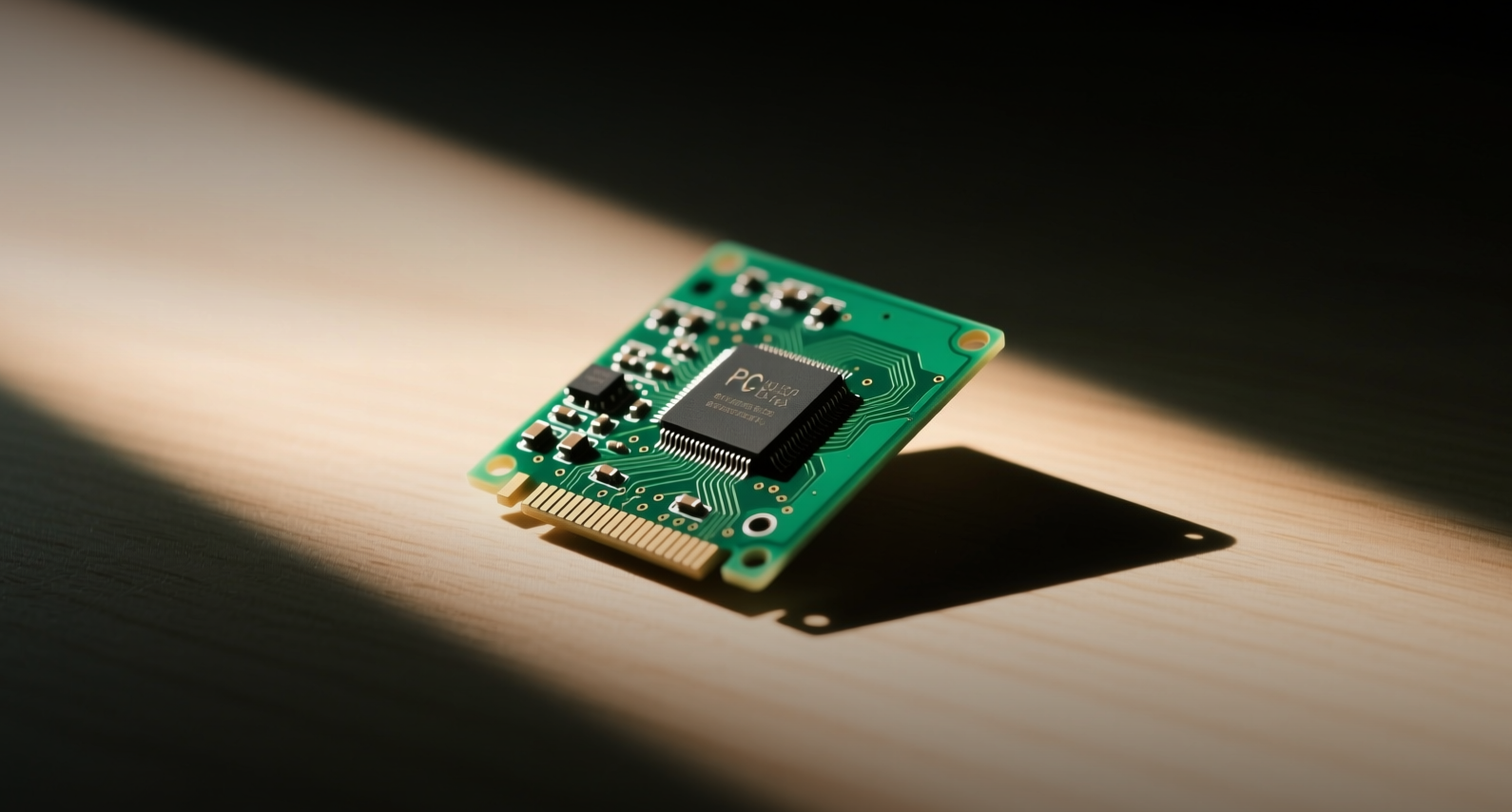
Jul 22 2026, 05:53
KB LAMINATES plunges 18% as AI PCB stocks reverse in Hong Kong
KB LAMINATES (01888.HK) plunged 17.68% to HK$39.12 on Wednesday, reversing a 3.1% opening gain as the AI PCB sector collapsed in afternoon trading. The selloff in KB LAMINATES coincided with a sharp reversal in parent company KINGBOARD HLDG (00148.HK), which opened 3.77% higher before sliding 10.87% to HK$50.85 on turnover of HK$1.618 billion. Combined, the two stocks accounted for more than HK$5.5 billion in trading volume during the afternoon session. The AI PCB sector showed mixed performance. VGT (02476.HK) bucked the trend, rising 2.9% to HK$234.2 on turnover of HK$855 million, while HANS CNC (03200.HK) edged up 0.17% to HK$119.9. The divergence suggests the selloff may be company-specific rather than sector-wide, though the magnitude of the moves in KB LAMINATES and KINGBOARD HLDG raises questions about broader positioning in AI-related hardware names. The Hang Seng Index's 1% decline to 24,884 came on elevated turnover of HK$183 billion, well above the 20-day average, indicating broad-based selling pressure. The sharp reversals in KB LAMINATES and KINGBOARD HLDG — both opening higher before collapsing — suggest potential margin calls or forced deleveraging, which could spill over to other Hong Kong-listed tech and PCB sector stocks in coming sessions. KB LAMINATES' turnover of 89 million shares worth HK$3.947 billion represents a significant multiple of its average daily volume, according to exchange data. The stock's intraday swing from a 3.1% gain to a 17.68% loss represents a roughly 21 percentage point reversal, among the largest single-session moves for the stock this year. KINGBOARD HLDG, which owns a majority stake in KB LAMINATES, saw a similar pattern. The stock opened at approximately HK$58.50 based on the 3.77% gain before sliding to HK$50.85, erasing more than HK$7 per share in value. Its turnover of HK$1.618 billion on 29.3 million shares traded suggests heavy institutional activity. The broader market context adds to the bearish tone. The Hang Seng Index's decline to 24,884 puts it further below the 25,000 level, a key psychological support that has been tested in recent weeks. The HK$183 billion in total market turnover indicates elevated participation, with sellers dominating the afternoon session. For investors, the key question is whether the KB LAMINATES selloff is an isolated event or the beginning of a broader de-rating for AI PCB stocks in Hong Kong. The sector has been a beneficiary of the artificial intelligence infrastructure buildout, and a sustained selloff could signal changing expectations for AI-related capital expenditure. This article is for informational purposes only and does not constitute investment advice.