Edgen AI operates independently of, and is not controlled by Aspen Digital Financial Limited.
Meta price targets hit $900 as analysts price AI revenue beyond ads
 Edgen Stock·Sep 23 2026, 17:14
Share to
Share to
Copy link


[1] Meta Price Targets Hiked to $900 as Analysts Cite AI Momentum, Revenue Growth Paths (https://247wallst.com/investing/2026/09/23/me ...)[2] Meta Spikes 7% as Wells Fargo Lifts Price Target to $796 Ahead of Connect; Alphabet Nudges Higher, Microsoft Holds Flat (https://finance.yahoo.com/markets/stocks/arti ...)[3] Why Meta Platforms Stock Skyrocketed Today (https://www.msn.com/en-us/general/general/why ...)
Related News
Sep 23 2026, 17:31
Citi lifts Micron target to $1,300 on DRAM pricing strength
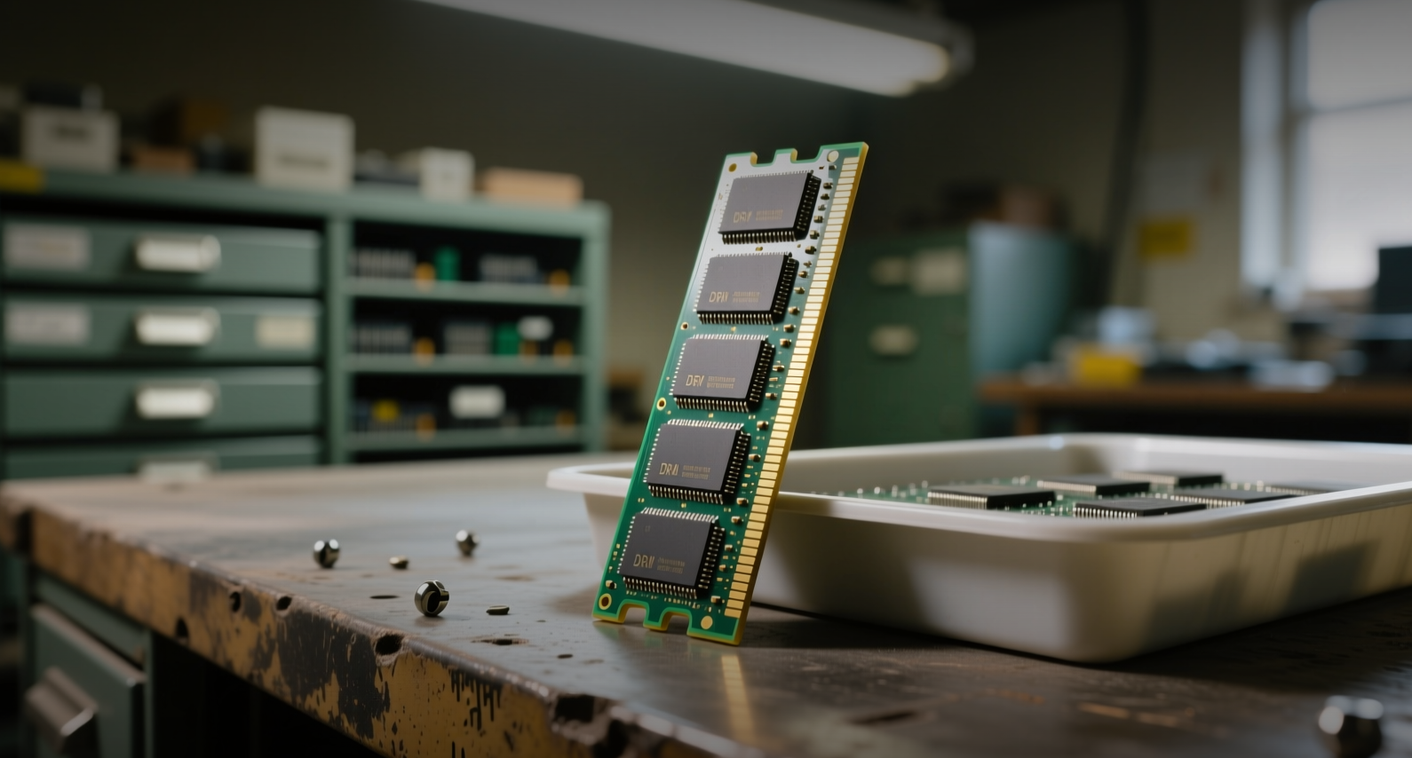
Citi raised its Micron Technology price target to $1,300 from $1,150 and kept a Buy rating, after lifting its August and November quarter estimates on stronger-than-expected DRAM pricing and continued undersupply across DRAM and NAND. "Stronger-than-expected DRAM pricing and continued undersupply across both DRAM and NAND markets" drove the estimate increases, Citi analyst Atif Malik said in the note. The bank now models blended DRAM average selling prices rising 20% quarter over quarter in the current period and another 13% in the following quarter, with NAND pricing up 34% and then 15%. The revised target implies roughly 19% upside from Tuesday's close of $1,096.16. Micron shares traded near $1,093 on Wednesday, down about 0.3%, after a four-session rally that included a 5% gain on Tuesday and pushed the company's market value above $1.2 trillion. The stock touched a 52-week high of $1,255. Citi's estimate changes put fiscal fourth-quarter revenue at about $51 billion and earnings at $31.45 per share, both above current consensus. Micron reports fiscal fourth-quarter results on September 30, roughly two weeks before SEMICON West, which runs October 13 to 15 in San Francisco. Citi expects equipment suppliers there to discuss shortages in DRAM, multilayer ceramic capacitors, printed circuit boards and optical components — constraints that would limit how quickly memory makers add capacity. The bank estimates DRAM and NAND supply growth stays in the low-20% range and expects prices to peak around the second quarter of 2027. Wells Fargo moved the other way on the same day, cutting its Micron target to $1,400 from $1,525 while keeping an Overweight rating. Analyst Aaron Rakers said the next phase of the stock's performance depends on investors gaining confidence in the duration of the memory shortage, on expanding Strategic Customer Agreement engagements, and on Micron's execution. Wells Fargo's target remains the higher of the two. The split leaves Citi's new number below the collective Wall Street expectation, which caps the implied upside it signals. Michael Burry added to his Micron shorts "in some size" on Tuesday, pointing to Acer CEO Jason Chen's commentary that Chinese memory production could eventually ease supply constraints and pressure prices. Retail sentiment on Stocktwits moved to bullish from neutral over the past day. For holders, the call is a bet that contract pricing, not unit volumes, carries Micron's earnings through the fiscal year — Citi's DRAM ASP assumptions are the number to track. The September 30 report is the first test of whether realized pricing matches the estimate hikes, and SEMICON West commentary on capacity constraints follows two weeks later. This article is for informational purposes only and does not constitute investment advice.

Sep 23 2026, 17:25
Fed October hike odds top 70% as inflation hits 4-year high
Traders now assign better than 70% odds to a quarter-point Federal Reserve increase at the Oct. 28 meeting, a repricing that followed hawkish remarks from Governor Michael Barr and an S&P Global report showing inflation at its highest in almost four years. The move extends a hawkish turn that began with the Fed's unanimous Sept. 16 vote to lift the federal funds target to 3.75% to 4%, its first increase since July 2023. Chair Kevin Warsh declined to offer forward guidance at that meeting's press conference, calling the move sober and responsible and arguing policy had never been tight to begin with. The data did the rest. The flash S&P Global US Composite PMI rose to 58.4 in September from 56.0 in August, with services at 58.7 against a 56.0 forecast and manufacturing at 57.0 versus 53.9 expected. Both gauges reached five-year highs. Average input costs across goods and services climbed at the fastest rate since October 2022, with firms citing fuel, transport and wage pressure. Backlogs of work grew at the quickest pace since May 2022 and factory hiring at the fastest since February 2021. Bond markets repriced the front end first. The 2-year Treasury yield rose almost 10 basis points to 4.874%, while the 10-year reached 5.058%, its highest print since July 2007. With the fed funds ceiling at 4.00%, the benchmark sits 106 basis points above the top of the policy range and the 2-year 87 basis points above it — the shape of a curve pricing more tightening, not less. Equities paid for it. The S&P 500 fell 0.54% to 7,722.88, the Nasdaq Composite dropped 1.06% to 26,954.38 and the Russell 2000 lost 1.03% to 2,860.11, with only 224 of the S&P's 503 members advancing. The VIX added 3.31% to 14.68, a level that points to orderly rotation out of long-duration winners rather than broad liquidation. Utilities, consumer discretionary and communication services each shed more than 1%, and PG&E fell 3.07% to $12.48, below its prior 52-week low. The transmission ran through every asset class. Gold futures dropped $58.30, or 1.33%, to $4,318.10 an ounce, bitcoin fell 2.30% to $84,255.74, and the dollar index held at 100.56 with the euro at $1.1446. The average 30-year fixed conforming mortgage rate rose to 7.12% from 6.97%, the highest since 2024, and both purchase and refinance applications declined. ## Why a 58.4 PMI Removes the Pause Trade The internals matter more than the headline. Historical comparisons put the September survey level consistent with annualized growth near 5% and the third quarter as a whole near 4%. A 4% quarter with input inflation at a 23-month high is not the combination a central bank that just hiked wants to see, and it takes a pause off the table for October. Demand is domestic. Goods exports kept declining and services export growth was modest, leaving the U.S. consumer and capital spending tied to the AI buildout as the engine. Neither is slowing on its own, which is why the selloff hit the longest-duration equities hardest — the Nasdaq fell twice as much as the S&P 500 and roughly six times as much as the Dow, which held at 51,772.80, down 0.18%. The last time the Fed raised rates into an inflation reading this hot was the 2023 tightening cycle, when the 2-year yield pushed above 5% and the S&P 500 lost 4.2% over the following month before recovering. Positioning today is less stretched, but the same mechanics apply: a higher risk-free rate compresses what investors will pay for cash flows a decade out. ## What the Next Six Weeks Decide The resolution date is Oct. 28, and the path runs through data. September payrolls and the next CPI print land before the meeting, and either can move the implied odds sharply in both directions. A softer inflation reading would unwind much of Wednesday's repricing quickly, given how fast the front end moved. The cross-asset chain also depends on crude. Brent closed below $100 for the first time since early September before reversing higher Wednesday, when an armed group shut a valve on the pipeline from Libya's El Sharara field, taking roughly a third of the country's output offline. November WTI traded at $91.92, up 1.55%. Higher crude keeps the inflation channel open and makes a 5% 10-year harder to break back below. For equities, the arithmetic is straightforward. At 7,722 the S&P 500 trades off a 5.058% risk-free benchmark, and every basis point higher compresses multiples on growth names. Until the 10-year closes back under 5%, rallies in high-multiple technology stocks are selling opportunities for fast money, and the market's direction runs through the bond market rather than through earnings. This article is for informational purposes only and does not constitute investment advice.

Sep 23 2026, 17:16
Innodata jumps 14.6% as Hunterbrook ties it to Meta's Muse
A research report linking Innodata Inc. to Meta Platforms' new Muse AI assistant drove the data-services provider up 14.6% in the prior session, with trading volume running above its recent average. Hunterbrook Media identified Innodata as a partner training Muse and estimated that Meta is the company's largest customer, potentially accounting for 58% of projected 2025 revenue. Hunterbrook Capital separately disclosed a long position in the stock, a holding it said was taken on the strength of its findings about Innodata's role in the generative AI supply chain. The single-session gain stands out against a thin fundamental backdrop. The latest trend in earnings estimate revisions for Innodata does not point to further strength, leaving the rally resting on a customer-concentration thesis rather than on analysts raising their forward numbers. The elevated volume suggests the move drew fresh positioning rather than routine turnover. For holders, the setup cuts both ways. A 58% revenue tie to one customer is a powerful demand signal if the Meta relationship is confirmed and expands, but it is also a concentration risk that leaves Innodata exposed to any change in a single client's AI spending plans. The stock's next test is whether sell-side analysts revise their estimates upward to match the Hunterbrook thesis; without that confirmation, the 14.6% jump remains a headline-driven move that could retrace once volume normalizes. This article is for informational purposes only and does not constitute investment advice.