Edgen AI operates independently of, and is not controlled by Aspen Digital Financial Limited.
General Motors surges 4% as FY2026 guidance tops consensus
 Edgen Stock·Jul 21 2026, 11:02
Share to
Share to
Copy link


[1] General Motors Q2 Preview: Stock Outperforming Tesla by More Than 2x — Will Earnings Fuel the Trend? (https://www.benzinga.com/trading-ideas/previe ...)[2] GM beats on earnings, raises guidance amid resilient vehicle pricing (https://www.msn.com/en-us/autos/general/gm-be ...)[3] GM quarterly core profit rises 30% on truck, SUV strength (https://www.msn.com/en-ca/money/topstories/gm ...)[4] GM Expected to Post Higher 2Q Profit, Despite Decline in Quarterly Sales -- Earnings Preview (https://www.marketwatch.com/story/gm-expected ...)
Related News
Jul 21 2026, 15:42
Eli Lilly leads Novo Nordisk in GLP-1 race with 31.6% revenue growth
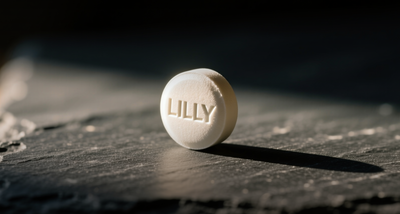
Eli Lilly's GLP-1 portfolio generated $15.8 billion in Q1 2026, outpacing Novo Nordisk's $14.2 billion as the two drugmakers jockey for dominance in obesity and diabetes. "Lilly's combination of first-mover advantage with Foundayo and a deep next-generation pipeline creates a durable lead," Sam Goldstein, healthcare analyst at Edgen, said. Lilly's Cardiometabolic Health unit accounted for 80% of total Q1 revenue of $19.8 billion, while Novo Nordisk's Diabetes and Obesity segment contributed 94% of its quarterly sales. The Zacks Consensus Estimate projects Lilly's 2026 revenue will rise 31.6% year over year, with EPS growing 42.7% to $34.55. Novo Nordisk faces a 4.8% revenue decline and a 14.7% EPS drop to $3.38, reflecting pricing pressure and weaker prescription trends for injectable GLP-1s. The divergence has widened Lilly's market capitalization past $1 trillion, making it the world's largest drugmaker, while Novo Nordisk shares have fallen 23.3% over the past year. Lilly trades at 28.4 times forward earnings, nearly double Novo Nordisk's 14.9 multiple, reflecting investor confidence in its pipeline breadth and growth trajectory. **Foundayo vs. Wegovy Pill: The Oral GLP-1 Battle** Lilly's Foundayo, approved in the US in April 2026, offers GLP-1 therapy in pill form and is rapidly gaining insurance coverage through major pharmacy benefit managers. Novo Nordisk launched its oral Wegovy pill in January 2026 after December 2025 FDA approval, capturing an early lead with more than 3 million prescriptions written since launch. Lilly expects to launch Foundayo in most international markets during 2027, while Wegovy pill received EU approval last week, potentially widening Novo Nordisk's geographic head start. **Pipeline Depth Separates the Two** Lilly's retatrutide, a triple agonist targeting GLP-1, GIP and glucagon pathways, demonstrated approximately 28% weight loss in late-stage studies. The company plans to seek approval for obesity and knee osteoarthritis pain in 2026. Novo Nordisk's CagriSema injection, a fixed-dose combination of cagrilintide and semaglutide, faces an FDA decision in the fourth quarter of 2026 after a December 2025 filing. Disappointing clinical results from some of Novo Nordisk's next-generation obesity programs have shaken investor confidence, while Lilly has announced more than $20 billion in biotech acquisitions this year, including the $2.8 billion purchase of AtaiBeckley to strengthen its neuroscience pipeline. Lilly's premium valuation — 28.4 times forward earnings versus the industry average of 18.9 times — reflects expectations that its pipeline can sustain growth beyond the current GLP-1 cycle. Novo Nordisk trades below its five-year average multiple, signaling skepticism about its ability to defend market share as competition intensifies from Amgen, Roche, AstraZeneca and Viking Therapeutics. Lilly's dividend yield of 0.6% trails Novo Nordisk's 3.5%, but the growth differential favors the US drugmaker. Investors will watch Lilly's retatrutide approval filing later this year and Novo Nordisk's CagriSema FDA decision in the fourth quarter as the next catalysts that could widen or narrow the gap. This article is for informational purposes only and does not constitute investment advice.
Jul 21 2026, 15:40
Navitas Semiconductor pivots to AI infrastructure for 2026 growth
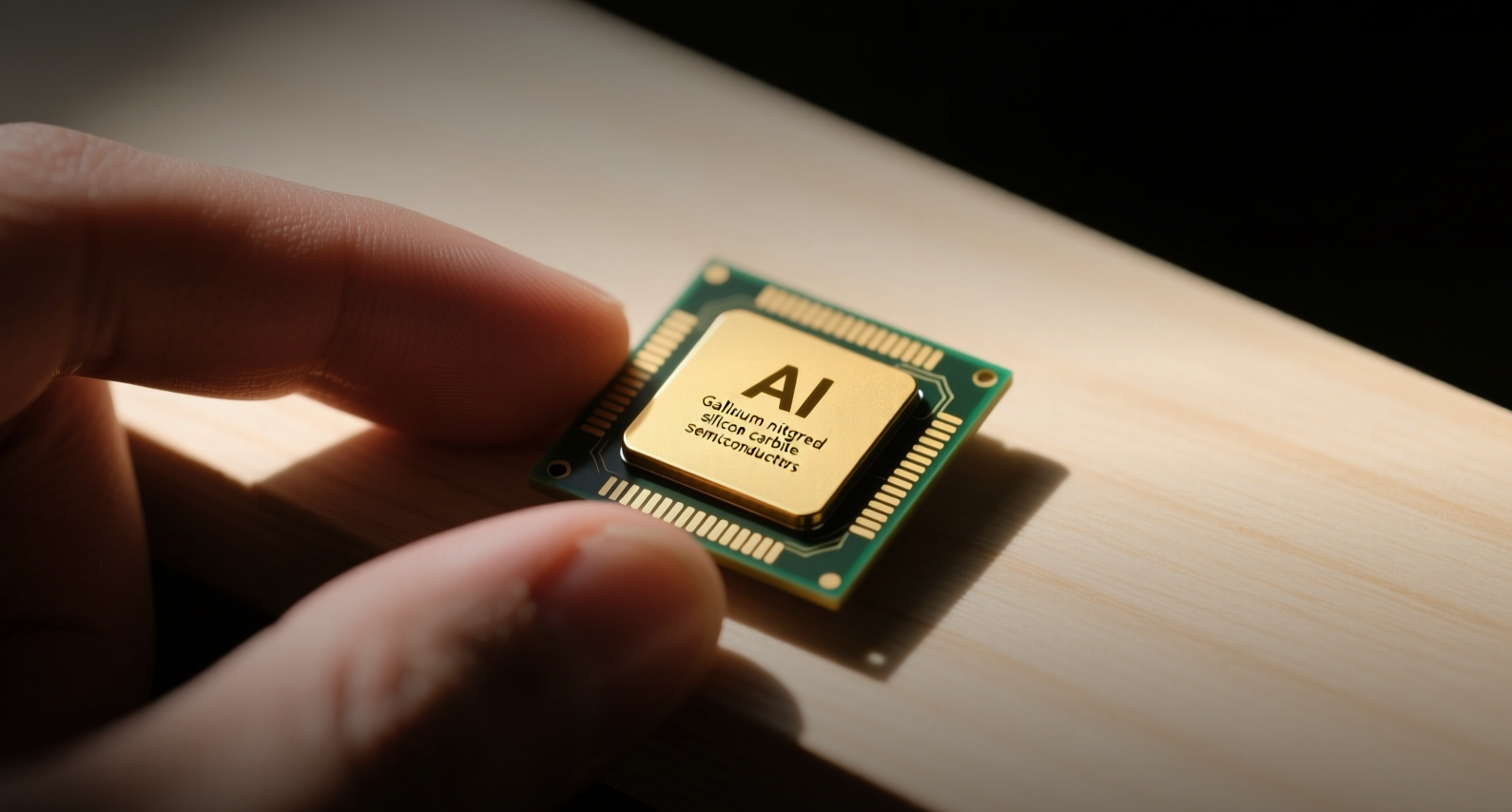
Navitas Semiconductor Corp. is pivoting toward AI infrastructure, betting that gallium nitride and silicon carbide power chips will capture a growing share of data center energy spending as operators race to cut power costs. The shift, announced July 21, positions the El Segundo, California-based company to tap into a market expanding as AI workloads drive electricity consumption higher. The company outlined the strategic direction in a statement, citing rising demand from data center operators for power solutions that reduce energy loss during voltage conversion. GaN and SiC chips — wide-bandgap semiconductors that operate at higher voltages and temperatures than traditional silicon — are increasingly used in AI server power supplies, where efficiency gains translate directly to lower operating costs. Navitas' GaNFast and GaNSafe product lines target the gallium nitride segment, while its GeneSiC portfolio addresses the silicon carbide market. The company's chips are fabricated at TSMC, the world's largest semiconductor foundry. Traditional silicon-based power chips lose a portion of energy as heat during conversion; GaN and SiC alternatives can significantly reduce those losses, making them attractive for power-hungry AI data centers where electricity is the single largest operating expense. The strategic pivot comes as AI infrastructure spending accelerates. Major cloud providers including Amazon Web Services, Microsoft Corp. and Alphabet Inc.'s Google are investing billions in data center capacity, creating demand for power components that can handle higher loads while improving efficiency. A single AI data center can consume more than 100 megawatts of power, with cooling and power conversion accounting for a significant share of total energy use. For Navitas, the shift represents an opportunity to diversify beyond its traditional markets in mobile charging and consumer electronics. The global GaN power semiconductor market is projected to grow at an annual rate of more than 40 percent through the end of the decade, according to Yole Group, while the SiC power device market is expected to exceed $6 billion by 2027. Navitas faces established competitors in both segments. Infineon Technologies AG, the largest power semiconductor maker globally, has invested heavily in SiC production capacity, while Wolfspeed Inc. operates dedicated SiC wafer fabrication facilities in New York and North Carolina. Navitas' integrated GaN-plus-driver approach, which combines the power transistor with its driver circuitry on a single chip, simplifies system design for data center customers and may provide a competitive edge. The company is scheduled to report second-quarter earnings in early August, which will provide investors with the first detailed look at how the AI infrastructure pivot is affecting financial performance. The success of the strategy will depend on Navitas' ability to convert its technology position into design wins with major data center operators and to scale production capacity to meet demand. This article is for informational purposes only and does not constitute investment advice.

Jul 21 2026, 15:37
Trump refuses Iran talks on July 21 as oil fears mount
**President Donald Trump said the US has no interest in meeting with Iran until Tehran is ready, declaring the fight between the two nations is far from over.** President Donald Trump on July 21 ruled out diplomatic engagement with Iran until the Islamic Republic is prepared for talks, declaring the confrontation is "not over at all" and stoking crude oil supply fears across global markets. "Iran wants to meet, but we have no interest," Trump said. "Until Iran is ready, I have no interest in meeting with them. Our fight with Iran is not over at all." The remarks follow Trump's earlier comment that he would "love not to" attack Iran "but sometimes you have to," indicating an escalation in rhetoric. The Strait of Hormuz handles about 21% of global oil trade, according to the US Energy Information Administration, making any military confrontation a direct threat to crude supply routes that carry millions of barrels daily from Middle East producers to global markets. The standoff threatens to inject a fresh risk premium into oil markets already grappling with supply constraints. A military escalation could disrupt tanker traffic through the Strait of Hormuz, potentially pushing crude prices higher and boosting safe-haven demand for gold and the US dollar while triggering risk-off positioning across equity markets. The latest exchange marks a sharp reversal from earlier signals of potential detente. Trump had previously suggested openness to negotiations with Tehran, but the July 21 statement closes that door. The last time US-Iran tensions escalated to a comparable level — following the January 2020 killing of Qasem Soleimani — Brent crude spiked above $70 a barrel within days while gold surged past $1,600 an ounce, according to market data from that period. The S&P 500 fell about 1.5% in the week after the Soleimani strike before recovering, illustrating the pattern of short-lived risk-off moves during Middle East crises. For oil markets, the risk is immediate. Iran produced about 3.2 million barrels per day in 2025, according to OPEC data, and any disruption to its exports — or retaliatory actions affecting neighboring producers — would tighten an already supply-constrained market. The US has maintained sanctions on Iranian oil exports, but the threat of direct military confrontation adds a new dimension to supply risk calculations that goes beyond the existing sanctions regime. Energy sector equities would likely be the first to reflect the shifting risk profile. US oil producers with operations in the region or exposure to global crude prices could see increased volatility, while defense contractors may benefit from expectations of heightened military spending. The broader equity market faces headwinds from higher oil prices, which act as a tax on consumer spending and raise input costs for transportation and manufacturing industries. Beyond crude, the geopolitical uncertainty is likely to boost demand for traditional safe havens. Gold, which has historically rallied during Middle East crises, could see renewed buying as investors hedge against tail risks. The US dollar index typically strengthens during periods of geopolitical stress as capital flows into dollar-denominated assets, while Treasury yields may decline on flight-to-quality buying. Currency markets would also reflect the tension, with oil-importing nations' currencies potentially weakening against the dollar. The path forward remains uncertain. Trump's statement leaves little room for near-term diplomacy, and his "sometimes you have to" comment on military action keeps the threat of strikes on the table. Iran's response will be critical — any retaliatory move, whether through proxy forces in the region or actions in the Strait of Hormuz, could trigger a rapid escalation. Markets will watch for any signs of concrete military preparations or diplomatic back-channel efforts in the coming days and weeks. This article is for informational purposes only and does not constitute investment advice.