Edgen AI operates independently of, and is not controlled by Aspen Digital Financial Limited.
Enphase Energy falls 3.1% to $38.34 ahead of Q2 earnings
 Edgen Stock·Jul 23 2026, 21:21
Share to
Share to
Copy link


[1] Renewable Energy Stock Slides Ahead of Q2 Report (https://www.schaeffersresearch.com/content/an ...)[2] Alphabet earnings takeaways: Q2 revenue beats, GOOGL stock sinks on 2026 capex hike (https://www.cnbc.com/2026/07/22/google-earnin ...)[3] Nasdaq Q2 2026 Earnings Call: Complete Transcript (https://www.benzinga.com/news/26/07/60637498/ ...)[4] IBM lowers full-year forecast after earnings warning (https://www.cnbc.com/2026/07/22/ibm-q2-earnin ...)[5] Intel's stock jumps 11% as chipmaker rides AI boom to fastest revenue growth in almost 15 years (https://www.cnbc.com/2026/07/23/intel-intc-ea ...)
Related News

Jul 23 2026, 23:04
Iraq pledges no threats to Iran from its soil as 4 deals signed
Iraq's prime minister traveled to Tehran to reaffirm security ties as the US and Iran entered a 12th consecutive night of strikes. Iraqi Prime Minister Ali al-Zaidi told Iranian leaders Thursday that Baghdad will not allow its territory to be used for hostile actions against Iran, as the two neighbors signed four cooperation agreements during his first official visit to Tehran. "Iraq will never forget Iran's support in the fight against the Daesh/ISIS terrorist group," al-Zaidi said at a joint meeting of senior delegations, according to a statement from Iran's presidential office. "Iraq will not accept hostile action against Iran by any party." The visit came as the US launched its 12th consecutive night of strikes on Iran, with President Donald Trump describing the conflict as a "skirmish" while warning of attacks on Iranian infrastructure. Iran's Islamic Revolutionary Guard Corps claimed attacks on US military assets in Jordan and Kuwait, and said it stopped three oil tankers from passing through the Strait of Hormuz — a chokepoint that handles about 21 percent of global oil trade. Al-Zaidi's balancing act between Washington and Tehran carries direct implications for energy markets. Iraq, the second-largest OPEC producer, pumps about 4.5 million barrels per day, and any disruption to its export routes through the Strait of Hormuz or perception of instability could add to the risk premium already priced into crude. The Iraqi leader met with US President Donald Trump in Washington earlier this month, signing trade and economic deals worth billions of dollars, before traveling to Tehran to deliver the same message of neutrality. ## Four Agreements Signed The two countries signed four documents in the presence of al-Zaidi and Iranian President Masoud Pezeshkian: an agreement on road transport of goods, a memorandum on constructing the Khosravi-Khanaqin-Baghdad railway, a sister-city agreement between Tehran and Baghdad, and a memorandum on public administration and training. Pezeshkian called for rapid implementation of bilateral agreements and expansion of economic, infrastructure and security cooperation, saying regional countries should facilitate the movement of people, trade and investment based on shared historical, cultural and religious ties. ## Regional Escalation Tests Iraq's Neutrality Al-Zaidi's visit came against the backdrop of the most intense US-Iran military confrontation in decades. The US House of Representatives approved a $95 billion budget framework this week, with $73 billion earmarked for military and intelligence operations linked to the war against Iran. The Pentagon deployed a B-1 long-range bomber from a UK airbase for the first time since fighting resumed, according to US officials cited by Axios. Iranian Foreign Minister Abbas Araghchi, speaking on the sidelines of al-Zaidi's meeting, said the US must abandon what he described as its "irrational, excessive and hegemonic approach" for any progress in relations. He said the issue was not the exchange of messages with Washington, noting that "there are enough mediators" facilitating communication. The last time Iraq served as a diplomatic bridge between Washington and Tehran during a period of direct hostilities was in early 2020, after the US killed Qassem Soleimani in a drone strike near Baghdad airport. That escalation pushed Brent crude above $70 a barrel before tensions eased. Following his Tehran visit, al-Zaidi is expected to continue his regional tour in Turkey and Saudi Arabia to discuss bilateral cooperation, his office said. This article is for informational purposes only and does not constitute investment advice.
Jul 23 2026, 23:02
Silver slides 0.8% as war fails to spark traditional crisis rally
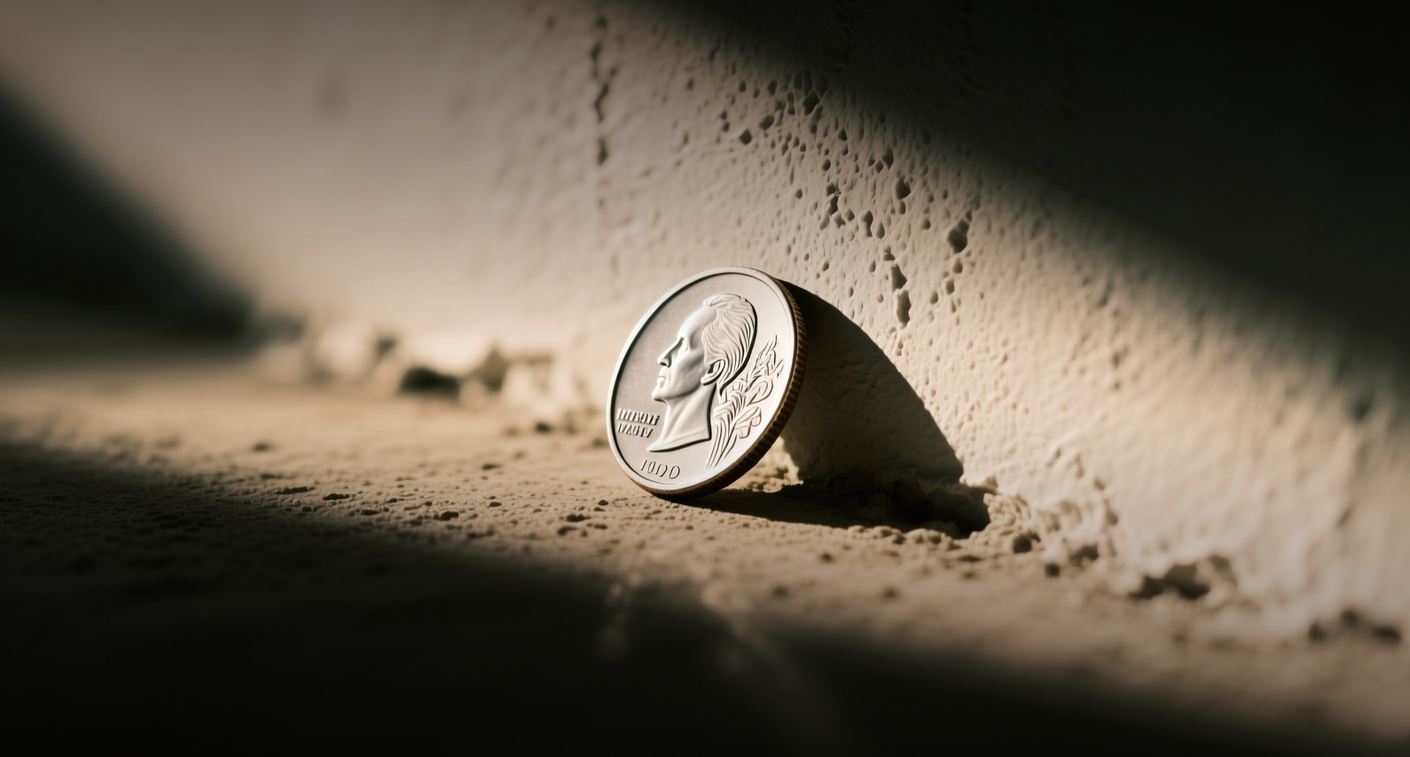
Silver futures on COMEX fell 0.8% to $59.795 per ounce on Thursday, extending losses even as Middle East hostilities escalated to their highest level in months. "The traditional crisis bid is simply not materializing for silver," said Prithviraj Kothari, managing director at RiddiSiddhi Bullions. "Rising oil prices and a stronger dollar are overwhelming what would normally be safe-haven demand." Brent crude surged above $98 a barrel, the highest since June, after Houthi rebels struck two Saudi Arabian oil tankers in the Red Sea and US forces launched fresh strikes on Iran. Higher energy prices pushed US Treasury yields higher and strengthened the dollar, creating headwinds for precious metals that offer no interest income. COMEX gold also declined 0.85% to $4,116.50 per ounce, retreating from a two-week high set Wednesday. The divergence marks a structural shift in how silver behaves during geopolitical crises. Kothari identified resistance at $63 per ounce for silver, with the metal now trading nearly 5% below that level. The Federal Reserve's policy meeting next week represents the next major event, with markets pricing better-than-even odds of a September rate cut despite persistent inflation concerns fueled by rising energy costs. The breakdown of silver's crisis correlation reflects a broader repricing of safe-haven assets as geopolitical risk coincides with inflationary supply shocks. Unlike gold, which retains a central bank demand floor — global central banks have been net buyers at record levels, with prices above $4,000 — silver's dual identity as both a monetary metal and an industrial commodity leaves it exposed to demand-side concerns. Higher crude prices threaten to slow economic activity, potentially reducing industrial demand for silver in applications ranging from solar panel manufacturing to electronics. The metal has lost roughly 3% over the past two weeks even as the geopolitical risk premium in oil markets expanded by more than $5 a barrel. The iShares Silver Trust (SLV), the largest silver-backed ETF, has seen net outflows of more than 200 tonnes this month, according to exchange data. LME warehouse data and COMEX inventory reports will be watched closely next week for signs of physical market stress. A sustained break below $58 per ounce could trigger further liquidation, traders said, while a return above $62 would indicate the crisis trade is reasserting itself. *This article is for informational purposes only and does not constitute investment advice.*
Jul 23 2026, 23:00
Russia sells gold reserves to support economy under 21st EU sanctions
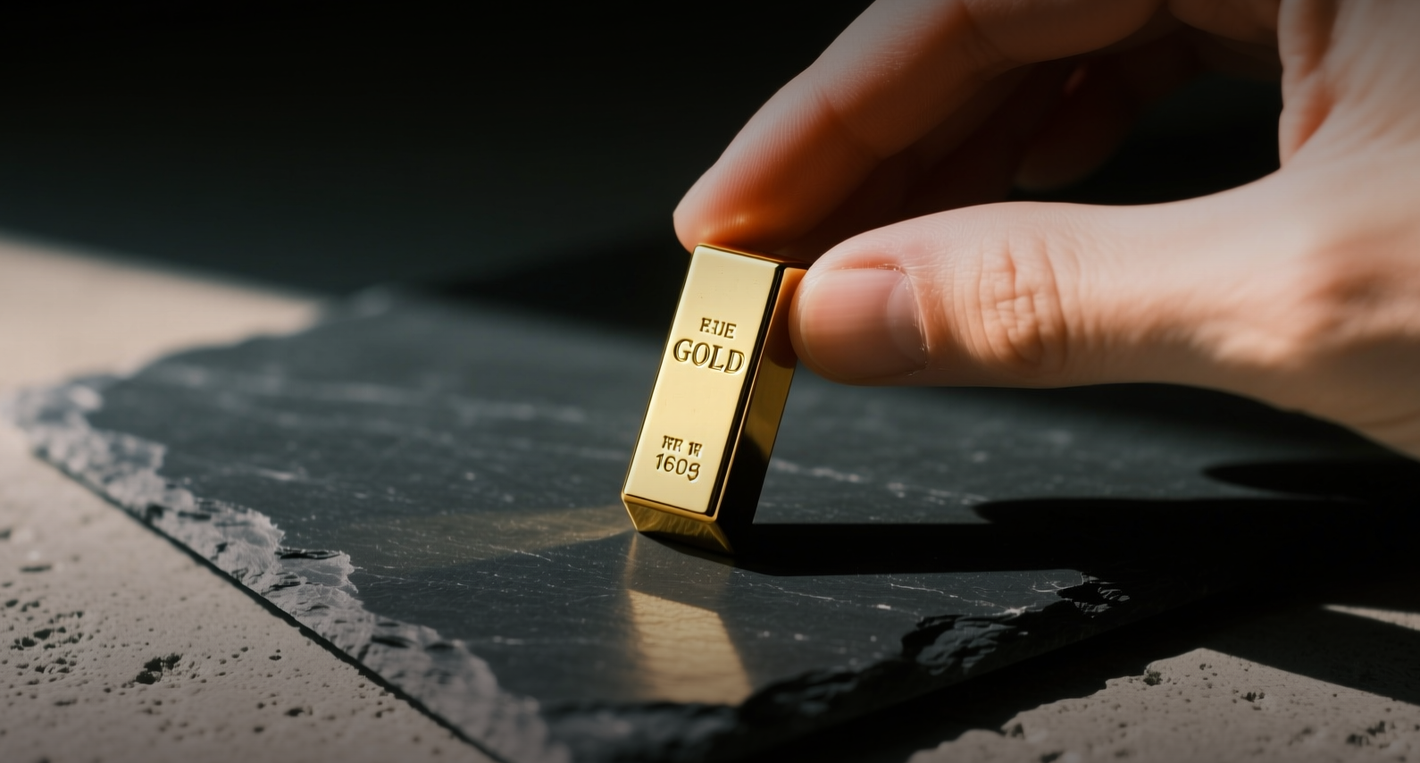
Russia continued selling gold from its state reserves in July to finance budget shortfalls as Western sanctions tighten, adding to global bullion supply. "Russia's gold sales are a direct consequence of reduced energy revenues and restricted access to foreign exchange reserves," said Paul Harris, head of commodity strategy at BMI, a Fitch Solutions research unit. "The Kremlin is monetizing its largest liquid asset." The Bank of Russia has not disclosed the volume of gold sold in July. The country ranks among the world's largest gold producers, with annual output exceeding 300 tonnes, and typically channels a portion of new production to its central bank reserves. The sales come as the European Union adopted its 21st package of sanctions against Russia on July 23, targeting energy revenue, financial services and crypto assets used to bypass restrictions, according to a statement from the EU Council. Russia's oil and gas revenue has declined as the price cap on Russian crude and EU import bans reduce export income. Additional Russian gold supply could weigh on global bullion prices, which have been supported in recent months by central bank purchases and expectations of lower US interest rates. The next catalyst for gold markets is the Federal Reserve's July 30 rate decision, with markets pricing in a potential quarter-point cut that would reduce the opportunity cost of holding non-yielding assets. *This article is for informational purposes only and does not constitute investment advice.*