Edgen AI operates independently of, and is not controlled by Aspen Digital Financial Limited.
Embecta faces securities class action after 57.8% stock plunge
 Edgen Stock·Jul 31 2026, 14:49
Share to
Share to
Copy link


[1] Embecta (EMBC) Stock Drop: Robbins LLP Reminds Investors of Class Action and Urges Shareholders Who Lost Money to Contact the Firm (https://www.prnewswire.com/news-releases/embe ...)[2] Lost Money on Embecta Corp. (EMBC)? Join Class Action Suit Seeking Recovery - Contact SueWallSt (https://www.aol.com/articles/lost-money-embec ...)[3] EMBC Investors Have Opportunity to Lead Embecta Corp. Securities Fraud Lawsuit with SBS Law (https://www.lelezard.com/en/news-22316958.htm ...)[4] Embecta (EMBC) Stock Drop: Robbins LLP Reminds Investors of Class Action and... (https://www.fox44news.com/business/press-rele ...)[5] $EMBC Securities: Suffer Losses on Your Embecta Investment? BFA Law Reminds... (https://pr.cullmantimes.com/article/dollarEMB ...)
Related News

Jul 31 2026, 16:27
PicS N.V. faces securities fraud suit after shares drop 50%
PicS N.V. (NASDAQ: PICS) faces a securities fraud class action over its Jan. 30 IPO, with an Aug. 4 lead plaintiff deadline for investors who bought at $19. The lawsuit, filed by Bronstein, Gewirtz & Grossman LLC, alleges the company and certain senior officers made materially false and misleading statements in the IPO's offering documents, according to the complaint. The case is captioned FirstFire Global Opportunities Fund, LLC v. PicS N.V., No. 26-cv-04793 (S.D.N.Y.). PicS, which operates one of the largest digital banks in Brazil, sold approximately 22.9 million shares of Class A common stock at $19 per share in the IPO, generating gross proceeds of $434.3 million. By June 4, 2026, the stock had fallen to less than $9 per share, a decline of more than 50 percent from the IPO price. The complaint alleges PicS conducted an evaluation of its credit evaluation procedures in December 2025 and determined they were deficient, leading to a reclassification of approximately R$590 million of exposures from Stage 2 to Stage 3 and an incremental expected credit loss charge of R$88 million in the three months ended Dec. 31, 2025. The company also experienced a Stage 3 formation rate of more than 7 percent in Q4 2025, deviating substantially from historical trends disclosed in the offering documents. The lawsuit further alleges the offering documents overstated the quality and ability of PicS' credit models and user data to inform underwriting practices. PicS also suffered from degradations in customer credit quality and heightened default risk from entering materially riskier business lines before the IPO, with adverse trends internally projected to worsen afterward, according to the complaint. Rosen Law Firm, Robbins Geller Rudman & Dowd LLP, and Bernstein Liebhard LLP have also announced the Aug. 4 lead plaintiff deadline. Under the Private Securities Litigation Reform Act of 1995, any investor who purchased PicS Class A common stock in or traceable to the IPO may seek appointment as lead plaintiff. A lead plaintiff acts on behalf of all class members in directing the litigation. The deadline comes as PicS shares remain substantially below the $19 IPO price. Investors who wish to serve as lead plaintiff must file papers by Aug. 4, 2026. An investor's ability to share in any potential recovery does not depend on serving as lead plaintiff. The litigation adds legal risk to a stock already trading at roughly half its IPO price. Investors will watch for the court's lead plaintiff appointment and any subsequent discovery disclosures that could reveal the extent of PicS' credit quality deterioration. This article is for informational purposes only and does not constitute investment advice.
Jul 31 2026, 16:24
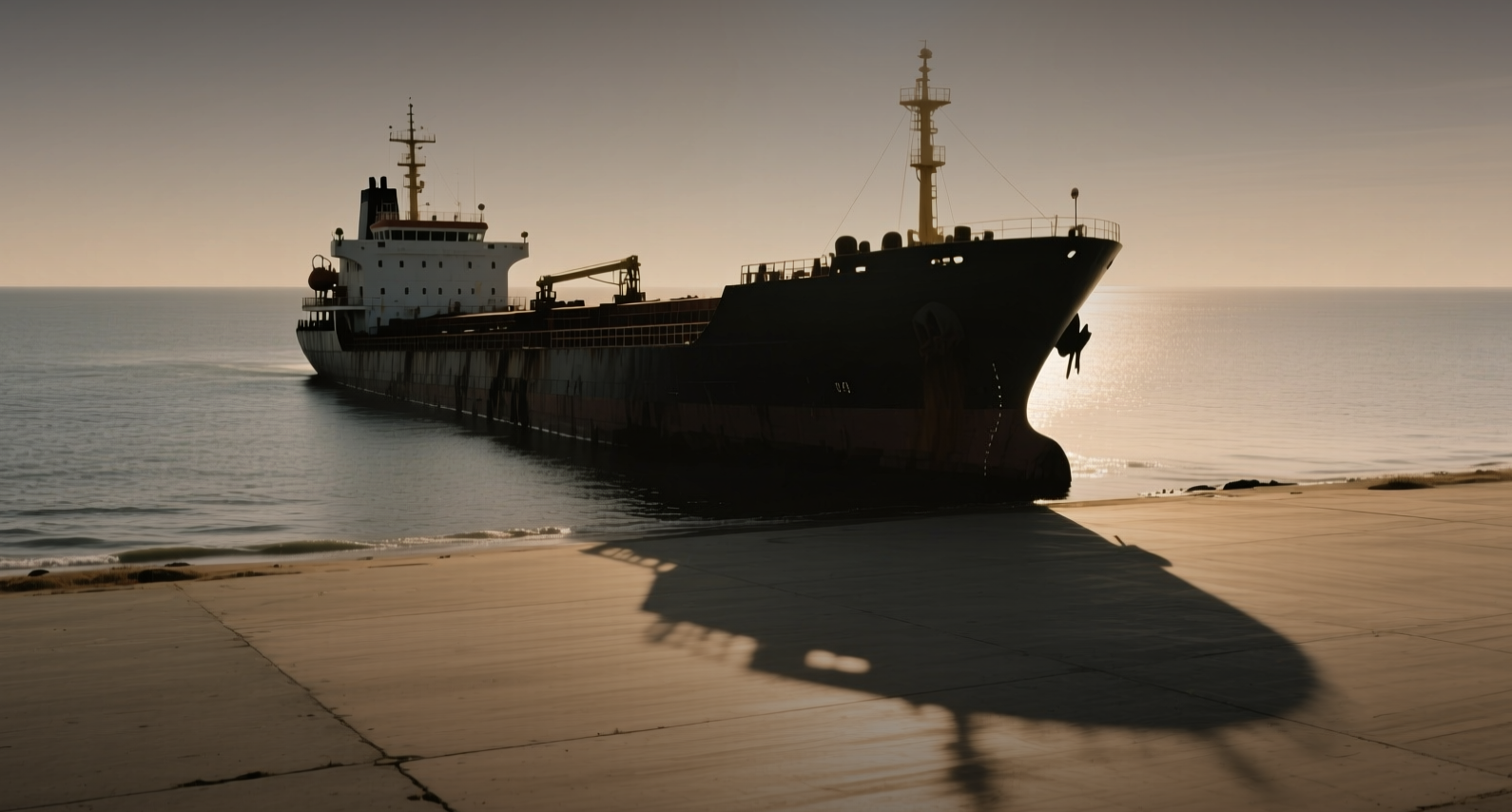
US Central Command denies Hormuz closure as 25 vessels transit
Despite Iran's repeated claim that it has closed the Strait of Hormuz, US Central Command confirmed the waterway remains open, with Kpler data showing 25 vessels transiting Bab el-Mandeb in a single day. "This is incorrect. In fact, the Strait of Hormuz remains open to commercial shipping. Iran does not control the strait," US Central Command said in a statement, adding that thousands of vessels have passed through the international waterway over the past four months. Kpler shipping data shows 25 commodity vessels passed through the Bab el-Mandeb strait in a single day, with 18 entering and seven exiting. The traffic included two very large crude carriers, one Suezmax tanker and five Aframax tankers. Meanwhile, only two vessels transited the Strait of Hormuz, both in ballast and entering the waterway. Some ships could still be sailing with their transponders turned off, which are not considered in the counts. The Strait of Hormuz handles roughly 20 percent of global oil consumption, making it the world's most critical energy chokepoint. Even a refuted closure claim can trigger short-term volatility in crude oil prices and energy-related equities. If markets partially price in escalation risk, oil could spike sharply; conversely, the US Central Command's firm denial could help stabilize prices. ## Hormuz Traffic Data Contradicts Closure Claim The Kpler data provides a direct counterpoint to Iran's assertion. While the Bab el-Mandeb strait — the southern gateway to the Red Sea — saw active traffic, the Strait of Hormuz itself recorded only two transits, both in ballast and entering the waterway. This low figure could reflect either reduced shipping activity or vessels sailing dark with transponders off, a practice that has become more common in the region since the 2019 tanker attacks. The last time Iran threatened to close the strait was during the 2019 tanker attacks, when oil prices spiked briefly before retreating as the US and its allies maintained naval patrols in the region. The current situation follows a similar pattern — the claim is being publicly refuted at the highest military level, and shipping data suggests the waterway remains operational. ## Oil Risk Premium Hinges on Escalation, Not Rhetoric The market impact of this episode will depend on whether traders view Iran's claim as credible posturing or a precursor to physical action. Energy equities could see sector rotation if the risk premium builds, while defensive assets may attract flows during any uncertainty spike. The key variable is whether Iran takes any concrete action against shipping — a far more consequential escalation than a verbal claim. For crude oil benchmarks such as Brent and WTI, the immediate risk is asymmetric. A confirmed disruption at Hormuz would be a supply shock of historic proportions, given that roughly 20 percent of global oil consumption passes through the strait daily. But the US Central Command's categorical denial, combined with visible shipping data, suggests the market may treat this as noise rather than signal. The situation bears watching for further developments, particularly any Iranian naval activity near the strait or changes in tanker routing patterns. For now, the data tells a clear story: the Strait of Hormuz remains open, and the world's oil supply chain continues to function. This article is for informational purposes only and does not constitute investment advice.

Jul 31 2026, 16:22
Trump vows Iran strikes as Brent tops $90 on Hormuz risk
Trump said the US "only wants to win" the Iran war and pledged to strike Tehran "very heavily" in the coming weeks, escalating a conflict that has already pushed Brent crude above $90 a barrel and disrupted the Strait of Hormuz, which carries a fifth of global oil and liquefied natural gas. "We will hit them very heavily," Trump said, according to a White House statement. The threat follows a two-hour US military operation Thursday that struck dozens of Islamic Revolutionary Guard Corps targets in Iran, including military command centers and drone facilities, US Central Command said. The strikes came after Iran confirmed it fired ballistic missiles at US troops in Jordan, all of which were intercepted, and after US and Saudi forces jointly attacked Iran-aligned groups in eastern Iraq, killing at least 20 members of the Popular Mobilisation Forces. Iran's state media reported three people killed in strikes on Qeshm Island. Brent crude futures rose more than 8 percent Wednesday to push above $90 a barrel, one of the sharpest spikes of the five-month war, before retreating slightly Thursday. The escalation threatens to draw more Middle Eastern countries into the conflict. The Houthis in Yemen have declared a naval blockade on Saudi Arabia, and a drone hit a US-owned gas storage tanker at Egypt's Damietta port. Iran said it struck three tankers attempting to transit the Strait of Hormuz along an unauthorized route and that it controls the waterway. Oman has presented a plan backed by Gulf states to manage the strait, but Iran has rejected it. ## Strikes Expand Beyond Iran's Borders The joint US-Saudi strikes on Iran-aligned groups in eastern Iraq marked the first time Riyadh has publicly joined Washington in military action. Iraq's Popular Mobilisation Forces, powerful Iran-backed paramilitary groups incorporated into the Iraqi security forces, said at least 20 members were killed and 32 wounded. Iraqi men shouted "Death to America" as they carried the bodies of slain fighters. The Iraqi presidency denounced the strikes as "an unacceptable attack and a flagrant violation of Iraq's sovereignty." Four Revolutionary Guards advisers were killed in the Iraq strikes, according to Iranian newspaper Hamshahri. Saudi Arabia's defense minister met Vice President JD Vance in Washington on Wednesday to urge the Trump administration not to escalate further by attacking Yemen's Houthis and carrying out more strikes against Iran-aligned militias in Iraq, two sources told Reuters. One source said such escalation would open the door to "major unknown risks." ## Hormuz Blockade Tightens as Oil Spikes The Strait of Hormuz has become the main hurdle in peace talks and a flashpoint for repeated escalations. Iran said it struck three tankers attempting to transit along an unauthorized route and that it controls the strait. The waterway, which carried a fifth of global oil and LNG before the war, now sits at the center of a confrontation that has roiled global energy and finance markets. The war began in February when the US and Israel launched a bombing campaign in Iran that Trump said would last only a few weeks. A temporary ceasefire agreement in June collapsed after renewed fighting over the strait. The last time oil prices spiked this sharply was the initial February escalation, when Brent jumped more than 10 percent in a single week before stabilizing. Oman has presented Iran with a plan backed by Gulf states to manage the strait, including collecting voluntary fees for its use, a Gulf source and a Western diplomat told Reuters. Iran has rejected the proposal. Trump said Washington is still seeking a peace deal, but his latest vow suggests the administration sees military pressure as the primary lever. For markets, the risk premium embedded in crude prices is likely to persist as long as the strait remains contested. Energy-sector stocks could rally further while broader equity indices face selling pressure, and safe-haven flows into gold and US Treasuries are expected to continue. The next escalation point will be whether Iran responds to the latest US strikes with further missile attacks on US forces or additional tanker interdictions in the strait. This article is for informational purposes only and does not constitute investment advice.